Add Row
Add Element
UPDATE
Add Element
  • Home
  • Happenings
    • New Orleans Must-Do
    • New Orleans Cafés
    • New Orleans Culture
    • New Orleans Eats
    • New Orleans Hustle
    • New Orleans Nightlife
    • New Orleans Pulse
    • New Orleans Unplugged
    • New Orleans Vibe
    • New Orleans Voices
    • New Orleans Events
    • New Orleans Family Fun
    • New Orleans Sports
  • New Orleans Business Spotlight
October 17.2025
2 Minutes Read

Bomb Threats Target HBCUs: The Community Response and Safety Measures

HBCUs face new wave of bomb threats

A Surge of Terror Threats Against HBCUs: What You Need to Know

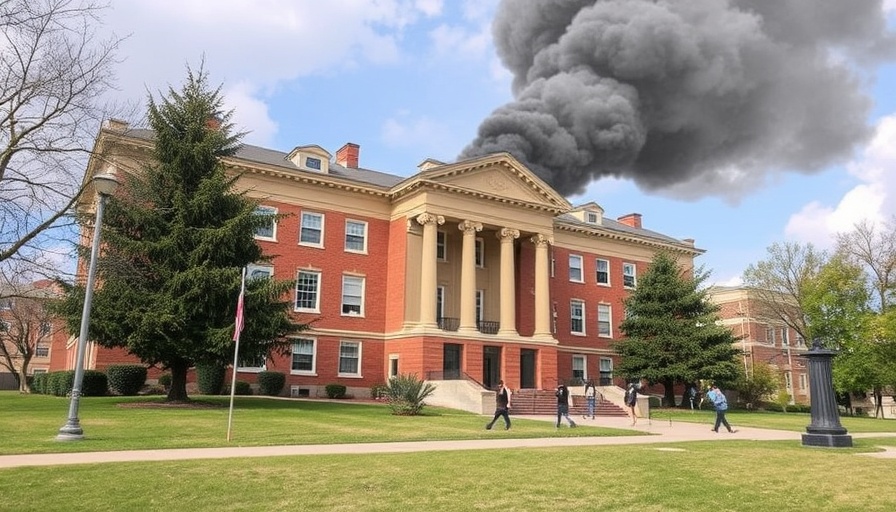
In recent weeks, historically Black colleges and universities (HBCUs) across the nation have faced an alarming increase in bomb threats, prompting lockdowns and heightened security measures. Institutions such as Southern University, Hampton University, and Virginia State University implemented immediate precautions in response to these threats, reflecting a troubling pattern of violence and intimidation targeting Black educational institutions.

Understanding the Context: The Legacy of HBCUs

HBCUs have historically served as crucial safe havens for Black Americans to receive quality education amidst systemic racism and discrimination. Given their foundational role in Black empowerment, the ongoing threats against these institutions are not only unprecedented but a stark reminder of the challenges that continue to persist in our society. As noted by Rep. Jasmine Crockett, HBCUs have always been sanctuaries for education and culture, and it is disheartening to see them under attack.

The Broader Impact on Education and Community Safety

The recent threats are a wake-up call for a society already grappling with racial tensions. Not only do these incidents cause immediate fear and disruption on campuses, but they also contribute to an atmosphere of anxiety among students, faculty, and the broader community. As Rev. Al Sharpton pointed out, educational institutions should promote free expression, not serve as targets for hate.

Public Reactions and Calls for Action

The response from public figures has been swift and resolute. Leaders from the Congressional Black Caucus have condemned these threats as not just acts of intimidation, but as manifestations of a growing extremism within our society. They emphasize the importance of vigilance and action from federal authorities, including the FBI, which has committed to investigating these threats even as they referred to some as "hoaxes" without credible evidence.

Looking Ahead: Ensuring Safety on Campuses

In light of these events, it is crucial for community members to stay informed about the initiatives aimed at enhancing campus safety. The Biden administration has initiated federal grants and training sessions to better equip HBCUs to handle such threats. Moreover, building a supportive network within the community can enhance safety and solidarity, ensuring that students feel protected and valued.

Join the Conversation and Stay Connected

If these events resonate with you, consider joining discussions and supporting local advocacy groups that aim to protect and uplift HBCUs. Engaging with community platforms like New Orleans Local Unplugged on Facebook and YouTube can help you stay connected with local news and share perspectives on these vital issues.

New Orleans Voices

10 Views

0 Comments

Write A Comment

*
*
Please complete the captcha to submit your comment.
Related Posts All Posts
03.14.2026

Leah Chase School Secures Two-Year Extension: A Win for Community Education

Update Victorious News for Leah Chase SchoolIn a significant step towards ensuring educational access for the community, the board has voted to keep Leah Chase School operational for at least two more years. This decision, celebrated by many in the community, particularly those committed to African-American education in New Orleans, marks a proactive approach in response to the challenges faced by educational institutions in South Louisiana.The Importance of Leah Chase School in the CommunityLeah Chase School is a pivotal resource for many African-American families in New Orleans. Named after the legendary chef and civil rights activist Leah Chase, this school epitomizes the spirit and resilience of the community it serves. For years, Leah Chase School has provided quality education, focusing on not just academic achievement but also instilling the values of social justice and activism in its students.A Beacon of Hope Amidst ChallengesThis recent board decision comes amidst ongoing debates about funding and support for schools across Louisiana. Community leaders and parents have voiced concerns about educational equity and access, particularly for underfunded schools. Leah Chase School represents more than just a building; it is a symbol of hope and empowerment in a city still healing from the impacts of Hurricane Katrina and grappling with social and economic disparities.Educating the Next Generation of LeadersWith the promise of continued operation, students at Leah Chase School will have the chance to learn in an environment that celebrates their heritage and equips them for future success. Community advocates emphasize that education is a powerful tool for change, and Leah Chase is crucial in nurturing the next generation of leaders who will impact Louisiana and beyond.What This Means for New Orleans FamiliesFor families in New Orleans, keeping Leah Chase School open is a triumphant affirmation of community voice and agency. This victory illustrates the importance of community advocacy and involvement, as parents, educators, and local leaders rallied together to ensure that their children's educational opportunities were preserved. The board's decision resonates with the community's push for more support and resources for all schools, particularly those in historically marginalized neighborhoods.Looking Ahead: Continued Activism NeededWhile the commitment to maintain Leah Chase School for another two years is a cause for celebration, it also serves as a reminder that continued activism is necessary. Parents and community members must stay engaged and speak up to protect not only Leah Chase School but also all educational institutions that serve similarly vulnerable populations. The struggle for educational equity is ongoing, and every voice matters in this vital conversation.

01.23.2026

Global Health Funding Cuts Lead to Alarming Rise in Child Deaths

Update A Stark Reality: Rising Child Deaths Amid Global Health Funding Cuts In recent reports, a heart-wrenching trend has emerged—a rise in child mortality rates globally due to diminishing health funding. This unsettling reality paints a grim picture for health officials and advocates alike, as they grapple with the implications of financial constraints on children’s health services. The situation calls for urgent attention from communities, particularly those in South Louisiana and the African-American community. The Impact of Funding Cuts on Local Health Initiatives Local health initiatives have always played a crucial role in nurturing healthy childhood development. However, recent budget cuts have led to vital programs being shuttered, directly affecting access to life-saving resources like vaccinations and nutritional support. In New Orleans, where many families face economic challenges, such cutbacks disproportionately impact African-American children. Families are left more vulnerable, battling against systemic inequalities that exacerbate health disparities. Understanding the Bigger Picture: Global Trends and Local Consequences Globally, recent data indicates a significant increase in child mortality rates, which have climbed due to underfunded health systems stretched by the pandemic and prevailing socioeconomic strains. A vital insight is that child deaths are not just numbers but represent the futures of our communities. Without substantial investment in child health, we risk a generation. Empowering Our Community: The Role of Advocacy and Awareness As history has shown, advocacy often leads to systemic change. Organizations such as the Louisiana Weekly have traditionally highlighted community stories that resonate with the challenges faced. By amplifying voices advocating for child health funding, local newspapers can galvanize communities to push for decisive actions from lawmakers. With a united front, residents of New Orleans can advocate for essential programs, ensuring that children receive the health care they so desperately need. Moving Forward: Steps Community Members Can Take Community members can take proactive steps to address these pressing issues. First, they can participate in local council meetings to voice concerns about budgets affecting health care funding. Additionally, supporting local non-profit organizations dedicated to child health and education can create a ripple effect of positive change. Each small effort contributes to a larger push for equitable health access. A Call to Action: Connecting and Uplifting Each Other In light of these challenges, the importance of community connections cannot be overstated. Engaging with platforms like New Orleans Local Unplugged on Facebook and YouTube can keep residents informed and united. By sharing stories and collaborating with local heroes committed to improving health outcomes for children, we can create a network that not only advocates for change but acts on it. If you enjoyed this story, why not stay connected? Join New Orleans Local Unplugged on Facebook and YouTube for exclusive local information.

01.03.2026

Transforming NOPD: The End of the Long-Standing Consent Decree

Update Ending a 12-Year Era: Transforming NOPD for the Better A significant chapter in the history of New Orleans policing has concluded as federal oversight of the New Orleans Police Department (NOPD) comes to an end. U.S. District Judge Susie Morgan announced the termination of the long-standing consent decree that had been in place since 2012. This decree not only aimed to reform a department plagued by scandals but also sought to restore trust between police and the communities they serve, especially within the African-American community of New Orleans. A Transformative Journey Over the course of these 12 years, the NOPD underwent substantial changes, transitioning from a department frequently criticized for civil rights violations to one that is now regarded as more accountable and community-oriented. “Everyone in this room should be rightly proud about what NOPD accomplished here,” Morgan stated, emphasizing the collaborative efforts made by various stakeholders in this transformation. Public Safety and Community Trust The changes introduced under the decree have reportedly made a positive impact on public safety in New Orleans. Mayor LaToya Cantrell, who supported ending the oversight, expressed confidence in the NOPD’s new operational framework. She stated, “Our city is safer, and our police department is better, as a direct result of this case.” Yet, many community activists remain skeptical. Concerns around ongoing accountability, especially regarding marginalized communities, were voiced by protestors who gathered outside the announcement, calling for continued community oversight. Financial Implications of Reform Financially, maintaining the consent decree was not inexpensive. The cost to the federal monitoring team alone reached approximately $20 million, with overall expenses estimated to be around $100 million. Judge Morgan argued, however, that these costs are far outweighed by the benefits of constitutional policing. “If you think the cost of constitutional policing is high, try the cost of unconstitutional policing,” she quipped, reinforcing the need for the framework that has now been established. Community Oversight: A Call for Continued Vigilance While many welcomed the end of this decree as a victory, advocates for civil rights stressed the importance of continuous community involvement in policing matters to ensure these reforms endure. “The consent decree has ended, but the work continues,” noted independent police monitor Stella Cziment. Activists argue for a deeper integration of community oversight to maintain pressure on the department to uphold its newfound standards of accountability. Reflecting on Progress and Looking Ahead This transition marks a critical point for the NOPD and the city of New Orleans. The community hopes that the momentum created during the consent decree period translates into lasting change, ensuring that the lessons learned extend into the future. As New Orleans residents reflect on these developments, the focus must be on ensuring the police remain a force for good in every neighborhood, particularly the historically marginalized ones largely represented within this article’s readership. If you enjoyed this story, why not stay connected? Join New Orleans Local Unplugged on Facebook and YouTube for exclusive local information. @neworleanslocalunplugged

Terms of Service

Privacy Policy

Core Modal Title

Sorry, no results found

You Might Find These Articles Interesting

T
Please Check Your Email
We Will Be Following Up Shortly
*
*
*