

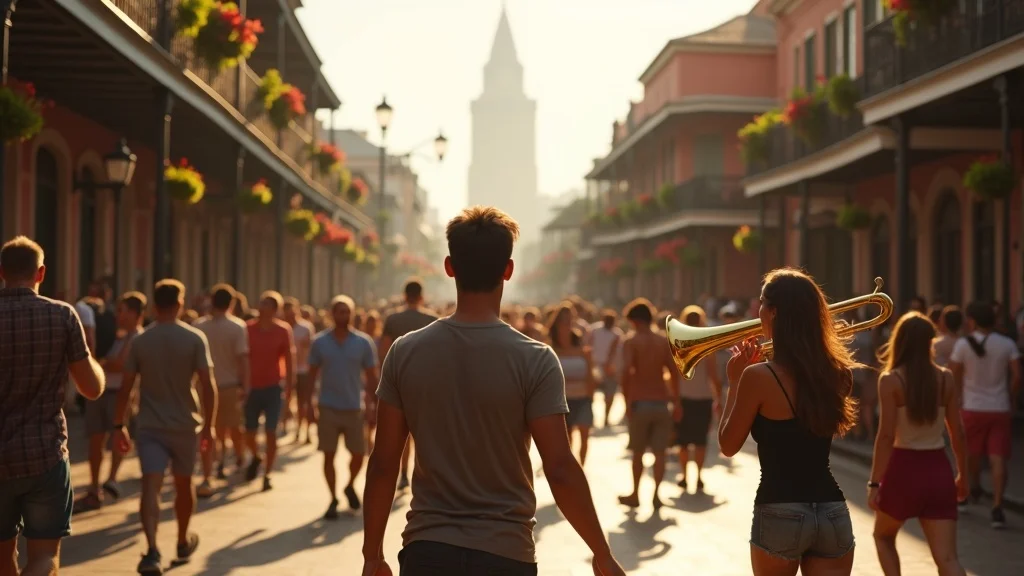
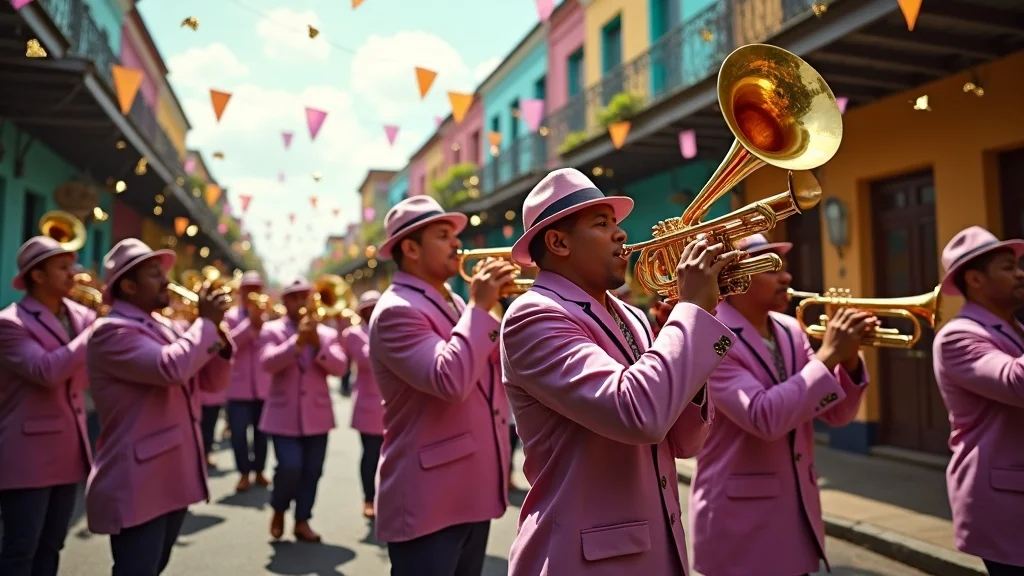
On Royal Street, the brassy swirl of a live band blurs with footsteps from every direction, tourists gathering wide-eyed, locals weaving through, heading to their favorite corner bar or regular family gathering. This vivid mingling isn’t just a happenstance of New Orleans living. It’s an ongoing dance, where New Orleans local culture pulses openly alongside the curiosity of visitors. Culture here isn’t crafted for outsiders. It exists because every day, city residents bring it to life, unfolding rituals, iconic foods, and joyful sounds in a communal rhythm that tourists may glimpse, but locals inhabit.
A Living Tapestry: Observing the Dance Between Visitors and New Orleans Local Culture
A brass band’s notes entwine with footsteps on Royal Street, as tourists pause to marvel but locals stride past, headed for ritual neighborhood gatherings. New Orleans local culture exists in vibrant tension, both spectacle and daily lifeblood, set on a stage, yet undeniably intimate for those who live it every day. This subtle push and pull creates a layered identity: to some, the city is a collection of dazzling sensations, jazz echoing from corner clubs, beads glinting overhead, the aromas of fresh crawfish or powdered beignets. But to locals, these aren’t just attractions or staged entertainment; they’re the foundational moments that shape neighborhoods, families, and friendships. The spectacle of a second-line parade on a sunny afternoon, for instance, isn’t just for show. It’s also a deeply personal narrative, a celebration, a memorial, a community rally, which plays out in rhythm with both familiar faces and passing visitors. What might look like performance from a distance is, up close, a testament to a city where daily life and cultural tradition are woven, intertwined, and constantly evolving in the open air.
What You'll Learn About New Orleans Local Culture and Tourism
How tourism and New Orleans local culture are deeply intertwined
The difference between consuming and living local traditions
Why neighborhood identity shapes every New Orleans experience
How music and food cultures stay rooted in community
Why hospitality and authenticity matter now more than ever
Tourism and New Orleans Local Culture: Intertwined Histories
Tourism is both an economic engine and an extension of New Orleans local culture. Millions of visitors come each year, lured by iconic festivals, historic neighborhoods like the French Quarter, and the magnetic pull of live music, traditions that predate the city's major tourism booms. From Mardi Gras to the rhythms of Royal Street, these celebrations adapt and shift with time, expanding to welcome newcomers yet fiercely protective of their local roots. This delicate equilibrium, where city park picnics unfold beside festival crowds, or jazz clubs serve both regulars and wide-eyed first timers, reveals a city constantly balancing exposure with preservation.
"Visitors come for Mardi Gras and stay for the spirit of the city because culture here is not a performance, it’s a way of life." – Local musician
Experiencing vs. Consuming New Orleans Local Culture: A Neighborhood Perspective
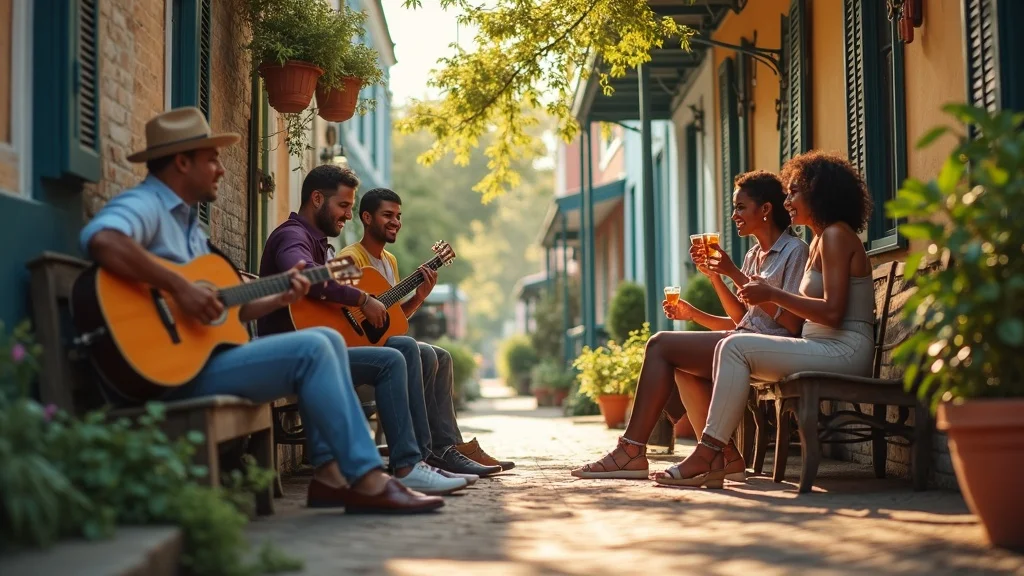
In New Orleans, culture is immersive, not merely observed, but lived. Walk into any neighborhood, Bywater, Treme, Marigny, Uptown, and you’ll see communal rituals unfolding just out of reach of formal tourism: neighbors catching up at a corner store, families hosting seafood boils, impromptu second-line parades turning a regular Tuesday electric. These experiences aren’t advertised in visitor brochures or on glossy travel sites. Yet they are the heartbeat of New Orleans local culture. Where tourists may seek the iconic, snapshots of jazz funerals on Royal Street or a table at a famous beignet café, locals find meaning in participation. Whether it’s spending a lazy Sunday at the neighborhood jazz club or greeting friends at a favored grocery, for residents, culture isn't consumed, it’s created and shared daily.
Weekly music sessions at neighborhood venues
Community rituals from Mardi Gras Indian gatherings to Sunday BBQs
The sights and sounds along vibrant Royal Street
Why Neighborhood Identity Powers New Orleans Local Culture
No two New Orleans neighborhoods pulse with quite the same energy. Strolling from the crowded French Quarter to leafy Bywater or farther uptown, the entire atmosphere shifts: accents morph, street music softens, corner stores and local dive bars become gathering places rather than tourist pit stops. This diversity is the reason New Orleans local culture feels so vivid and resilient. Neighborhood pride isn’t about drawing boundaries, it’s about nurturing the unique ways communities mark time, celebrate, and cope. Dialects and rituals may differ, but so does the manner in which local music spills onto the street or food culture anchors a block.
Whether you’re in Treme, where African American heritage powers the sound of brass bands, or in Uptown beneath sweeping oaks, these micro-cultures preserve authenticity even as the city’s fame grows. Neighborhood bars tucked behind quiet facades, annual crawfish boils, porch conversations, and family-run shops, all shape an evolving, lived identity distinct from the more performative traditions seen by most visitors. Neighborhoods are wellsprings of genuine hospitality, vital for both the city’s soul and its survival.
French Quarter: Tradition Meets Tourism
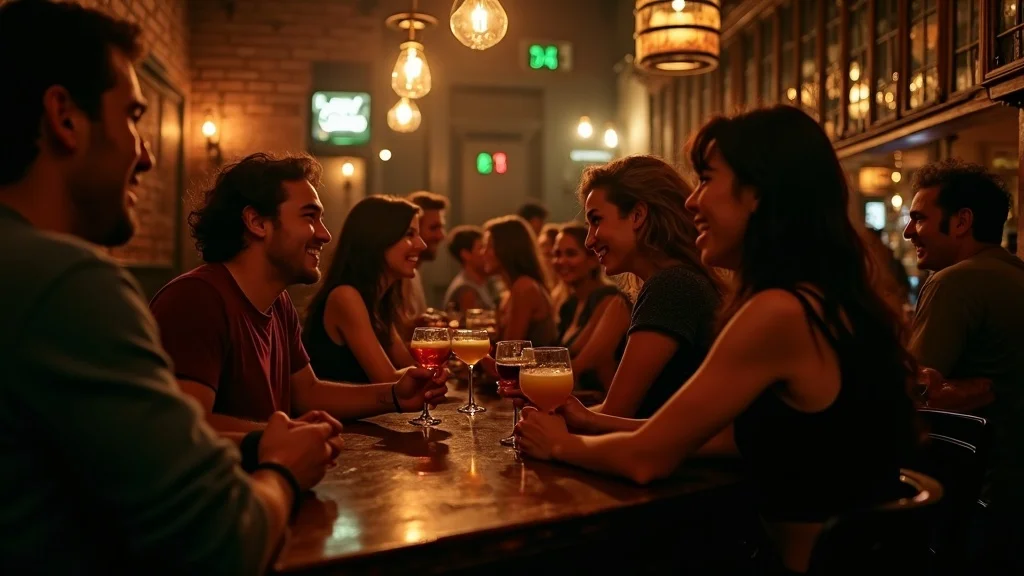
The French Quarter stands as New Orleans’ most iconic intersection of local pride and visitor fascination. Vieux Carré architecture, winding alleys, and legendary spots like Bourbon Street create a cinematic allure, drawing visitors from across the United States and beyond. But within this tourist magnet, real community life thrives: quiet courtyards shield family gatherings from the street’s cacophony, old groceries supply daily needs, and locals frequent jazz clubs that have been open for decades. Evenings in the Quarter aren’t just for spectacle. They are as much about the Thursday night regulars at a neighborhood bar as they are about revelers taking in their first live jazz funeral or tasting Creole cuisine for the first time.
Treme, Marigny, and the Power of Place
Treme, a cornerstone of African American cultural history, radiates pride through its Mardi Gras Indian traditions, the spirits of street musicians, and the energy of impromptu brass band parades. Neighboring Marigny adds its own imprint, with Frenchmen Street’s living soundscape and neighborhood venues fostering relationships that span generations. Life in these districts is a vibrant assertion of heritage, artistic expression, and community. Here, New Orleans local culture isn’t a brand for outsiders, but an inheritance. The energy of second lines, the artistry of costumes, the rhythm of backyard parties, all ground locals in stories and rituals carried forward, connecting generations and newcomers alike.
Table: Distinctive Neighborhoods and Local Experiences
Neighborhood |
Known For |
|---|---|
French Quarter |
Historic architecture, nightlife, jazz funerals |
Bywater |
Arts culture, laid-back vibe, local cafes |
Treme |
African American roots, Mardi Gras Indian, brass bands |
Uptown |
Live oaks, streetcar, community bars |
The French Quarter: Where Preservation and New Orleans Local Culture Converge
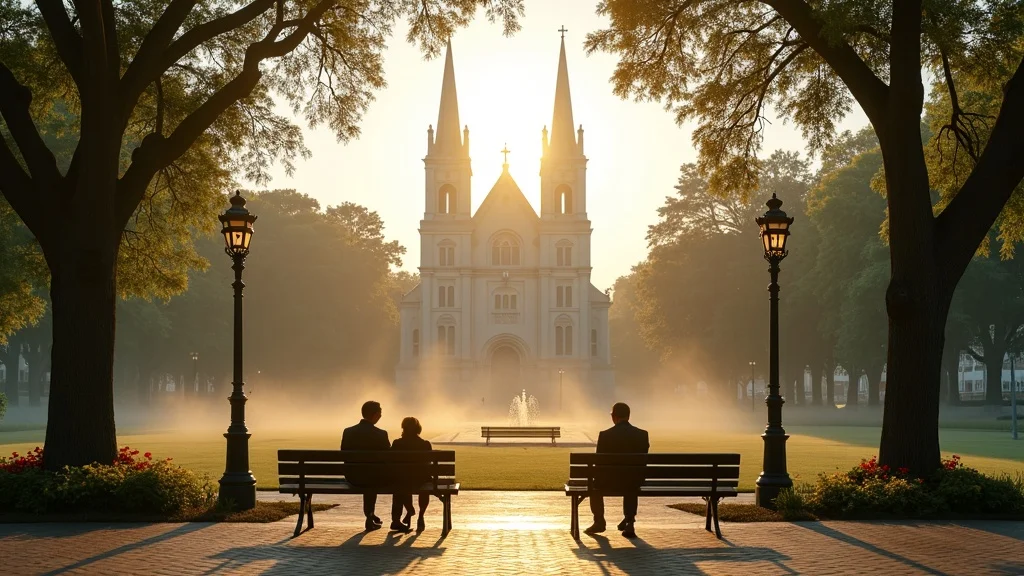
From the revelry of Bourbon Street to the hushed beauty of St. Louis Cathedral, the French Quarter’s ongoing vitality is the result of constant reinvention. As one of America’s oldest neighborhoods, this district contends with crowd pressures, festival goers during Carnival Season, tourists exploring Jackson Square at dawn, and street vendors adapting to a changing clientele. Ongoing preservation efforts, led by both locals and city organizations, aim to safeguard what makes the Quarter special: a place where parents raise children in 200-year-old houses, markets serve regulars before tourists arrive, and the sound of local music spills into alleyways. True sustainability in the French Quarter means championing its role as a living neighborhood, not just a set piece, so both residents and visitors can share in its unique cultural gifts.
Music: The Anchoring Spirit of New Orleans Local Culture
In New Orleans, music isn’t just a backdrop, it’s the binding thread. Join a secondline in the Marigny, attend a jazz club gathering in the French Quarter, or watch a brass band wend its way through Treme, and you’ll witness immersion; participation is expected, not just observation. The city’s music forms, from jazz funerals to impromptu street performances, remind everyone that New Orleans local culture is alive. Each performance is more than entertainment; it’s an act of community, a call for listeners to join in. Neighborhood venues on Frenchmen Street, street musicians near Louis Cathedral, and secret jazz sets in hidden bars all maintain a living heritage that binds residents to each other and connects visitors to something unfiltered and real.
"You can’t separate the music from the streets or the people. That’s what makes New Orleans local culture alive." – Marigny club owner
New Orleans Food Culture: Beyond Destination Dining
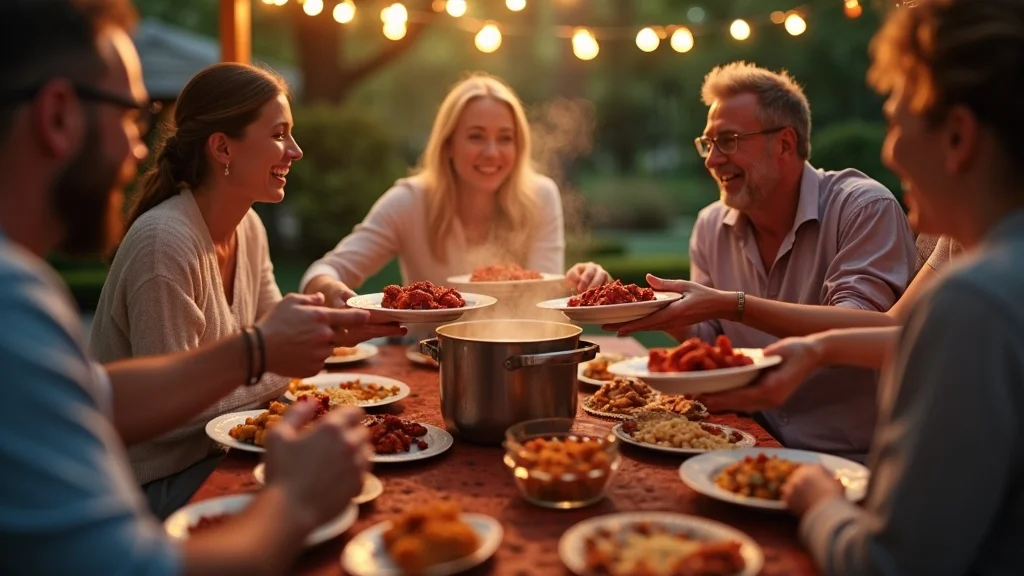
While travelers may queue up for café au lait and powdered beignets, devoted locals embrace a much more deeply-rooted culinary heritage. Cajun and Creole cooking, the pride of New Orleans food culture, finds its truest expression at neighborhood seafood boils, red beans slowly simmered in family kitchens on Mondays, and loyal regulars crowding into small restaurants that rarely make “top 10” lists. Weekly rituals, a plate of gumbo at a corner bar, a po’boy sandwich after a show on Frenchmen Street, forge community ties and pass recipes down generations. The city’s legendary food scene draws international acclaim, but its soul remains local, anchored in rituals that transform food from a commodity into an act of belonging.
Family recipes shared over generations
Neighborhood restaurants with loyal regulars
Seasonal traditions (crawfish boils, king cakes during Mardi Gras)
Hospitality and Identity: Welcoming Without Losing Self
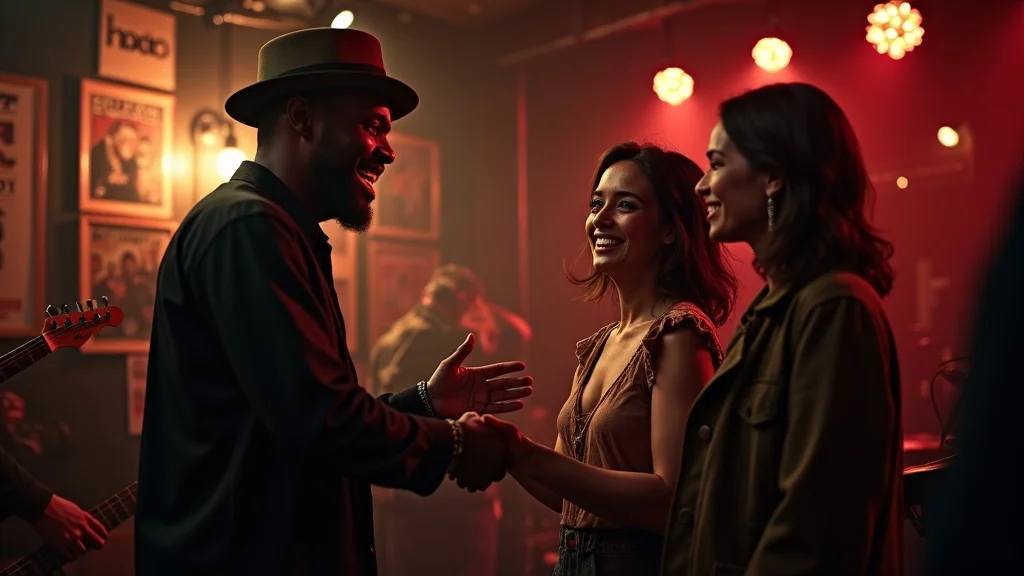
True hospitality in New Orleans is about invitation, not imitation. Locals take pride in showing new faces the rhythms of their block or the heart behind their customs, but that pride means the essence of New Orleans local culture is never diluted, it’s reinforced. Community festivals, jazz club introductions by longtime musicians, or sharing a plate of crawfish aren’t tricks for tourists; they’re longstanding traditions into which guests are briefly invited. This culture survives not by closing doors, but by blending old and new in ways that feel genuine, offering seats at the table, while never ceding the table itself.
Why These Conversations Around New Orleans Local Culture Matter Now
Today, the balance between visitors and residents is more complex than ever. Social media influences where people go, creating viral moments on Royal Street or packed French Quarter bars, while neighborhood businesses adjust to waves of both locals and newcomers. New hotspots in Bywater, or longtime staples in the Garden District, wrestle with both opportunity and uncertainty as changing dining, nightlife, and housing patterns play out in real time. Conversation among city residents, from musicians to small business owners to parents, focuses not just on who profits, but who belongs, who stays, and how the tapestry of New Orleans local culture will ultimately evolve. Festivals bring both congestion and celebration. Weekdays still bring relief and rejuvenation. The conversation is ongoing, and so is the city’s transformation.
The impact of social media on visitor behavior
How new businesses affect neighborhood identity
Shifting nightlife patterns across neighborhoods
People Also Ask: Key Questions About New Orleans Local Culture
What is the main culture in New Orleans?
The main culture in New Orleans is a fluid blend of African American, Creole, French, Spanish, and Caribbean influences, expressed in music, food, parades, and community ritual. More than a singular tradition, New Orleans local culture is defined by its continuous adaptation and lived community experiences.
Do and don'ts in New Orleans?
Do embrace local customs, join second lines, try new foods, and support local businesses. Don’t treat cultural traditions as mere performances, or ignore neighborhood etiquette. Respecting the lived reality of New Orleans local culture deepens every experience.
What are 5 examples of cultural traditions?
Examples of rich cultural traditions in New Orleans include jazz funerals, Mardi Gras and Mardi Gras Indian gatherings, brass band second lines, neighborhood crawfish boils, and the creation of altars for St. Joseph’s Day.
Where to avoid staying in New Orleans?
Though most neighborhoods offer a warm welcome, some outlying or industrial areas feel disconnected from local culture and amenities. Staying close to established neighborhoods like the French Quarter, Marigny, Bywater, or Uptown best immerses visitors in authentic New Orleans local culture.
Lists: Ways to Experience New Orleans Local Culture Authentically
Join a neighborhood second line parade
Attend a show at a local jazz club
Explore beyond the French Quarter: Bywater, Treme, Uptown
Dine at family-owned, community restaurants
Visit a cultural museum that reflects the city’s roots
Participate in a Mardi Gras Indian gathering
Video Highlight: Locals and Tourists Intersecting on Royal Street
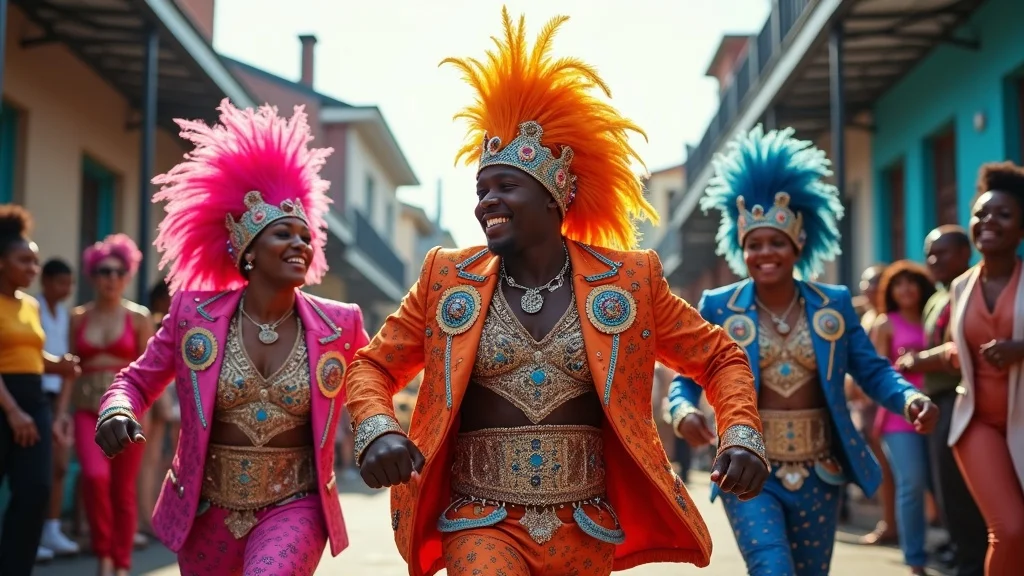
Experience the dynamic energy of Royal Street, where brass bands, street artists, and a blend of excitement and routine bring the soul of New Orleans local culture into dazzling relief. Watch real-life interactions unfold in a symphony of music, laughter, and daily neighborhood currents.
Video Feature: Mardi Gras Indian Culture in Modern New Orleans
Discover how Mardi Gras Indian history continues to shape African American tradition and New Orleans local culture today. Preview a documentary that explores the significance and resilience of these vibrant rituals within the city’s living heritage.
FAQs on New Orleans Local Culture
How does New Orleans protect its culture from over-tourism?
Where do locals gather to celebrate music and food?
What role do African American neighborhoods play in the cultural landscape?
How do festivals like Mardi Gras impact daily life?
Key Takeaways: The Resilience of New Orleans Local Culture
New Orleans local culture is a lived, daily reality shaped by neighborhoods and communities
Tourism and culture are not in competition, but in constant dialogue
Music, food, traditions, and hospitality all play pivotal roles in sustaining authenticity
Neighborhoods remain guardians of the city’s emotional and cultural heartbeat
To Stay Connected with New Orleans Local Culture
If you enjoyed this story, why not stay connected? Join New Orleans Local Unplugged on Facebook and YouTube for exclusive local information. @neworleanslocalunplugged


Write A Comment