UPDATE
  • Home
  • Happenings
    • New Orleans Must-Do
    • New Orleans Cafés
    • New Orleans Culture
    • New Orleans Eats
    • New Orleans Hustle
    • New Orleans Nightlife
    • New Orleans Pulse
    • New Orleans Unplugged
    • New Orleans Vibe
    • New Orleans Voices
    • New Orleans Events
    • New Orleans Family Fun
    • New Orleans Sports
  • New Orleans Business Spotlight
June 23.2025
2 Minutes Read

Louisiana's Weather Damage Ranks Third: Implications for Local Businesses

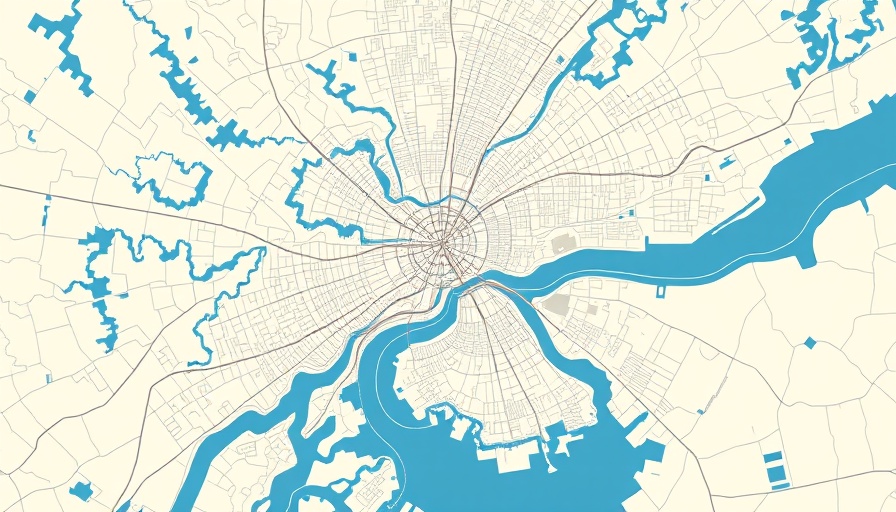
New Orleans topographic map showing street and water layouts.

Understanding Louisiana's Weather Damage Rankings

Louisiana has recently gained attention for its unfortunate ranking as the third most affected state in the U.S. for weather-related damages over the past four years, according to a study by Miami-based firm Your Insurance Attorney. As business leaders in Greater New Orleans, it’s essential to understand the implications of this status and its impact on local industries.

The Increasing Frequency of Weather Disasters

The study highlights a growing trend in hazardous weather events across the nation. Tornadoes, hurricanes, and floods have increasingly impacted Louisiana, leading to significant economic implications. This situation poses challenges not just for residents but also for businesses operating in the region.

What This Means for Business Leaders

For business leaders in New Orleans and Southern Louisiana, the implications of this ranking are substantial. Increased insurance premiums and potential disruptions in operations due to extreme weather can hinder growth and stability. It is crucial for businesses to engage in risk assessment and consider strategies to mitigate weather impacts.

Lessons from Other States

Interestingly, while Louisiana ranks high in weather-related damage, it’s vital to note that other states, such as Arizona, lead the nation in weather-related fatalities due to extreme heat and natural disasters. States like Florida and Texas also face similar challenges, with rising sea levels and hurricanes becoming common occurrences. Learning from their preparedness and response strategies can prove beneficial for New Orleans.

Future Predictions: Weather Patterns and Business Resilience

Climate change is expected to exacerbate the frequency and intensity of weather-related events, leading to potential disasters. Business leaders must adopt long-term strategies to ensure resilience against these challenges. Implementing sustainable practices, investing in infrastructure, and advocating for local policies addressing climate vulnerabilities will be critical steps towards safeguarding the business environment.

The Importance of Community and Collaboration

In these trying times, fostering community relationships and collaboration among businesses, local governments, and nonprofits will be essential. Whether it’s through shared resources or joint initiatives, a united approach will enhance the region's ability to withstand natural disasters.

Actionable Insights for Local Entrepreneurs and Executives

Entrepreneurs and small business owners in New Orleans can take actionable steps to bolster their operations against weather impacts. Identifying reliable insurance providers, developing contingency plans, and maintaining open lines of communication with employees and stakeholders are vital strategies. Additionally, participating in local business events and networking initiatives can foster collaborative solutions.

Conclusion: A Call to Action for New Orleans Business Leaders

As Louisiana continues to grapple with the effects of severe weather, it is imperative for local businesses to prioritize resilience planning and community collaboration. The insights provided in this article serve as a foundation for understanding and responding to the ongoing challenges that our environment poses. Take a proactive step today by reviewing your business’s disaster preparedness and engaging with your community leaders to advocate for strategies that protect our future.

New Orleans Culture

8 Views

0 Comments

Write A Comment

*
*
Please complete the captcha to submit your comment.
Related Posts All Posts
05.03.2026

Discover Zulu: Celebrating New Orleans Culture and Community Legacy

Update The Legacy of Zulu: Celebrating Culture and Community In the vibrant landscape of New Orleans, the legacy of the Zulu Social Aid & Pleasure Club is one of resilience, laughter, and cultural pride. Established in 1909, Zulu began as a response to the exclusion of African-Americans from the Mardi Gras festivities of the time. The initial founders, a group of laborers, set out to create their own place in this iconic celebration, not just as spectators but as contributors to its history and culture. From Humble Beginnings to Cultural Ambassadors Zulu was born out of the desire to reclaim space in a celebration that seemed to dismiss Black culture. By donning unique costumes and engaging in satire, the members spotlighted the absurdities of racial caricature, highlighting their rich Southern heritage. Fast forward over a century later, Zulu stands proudly as one of the largest and most recognized Krewes in New Orleans, showcasing floats, throws, and an overwhelming sense of community every Mardi Gras season. Significant Cultural Contributions: More Than Just a Parade The Zulu organization goes beyond the glitter and glamour of the annual parade. A significant part of their mission involves community outreach and involvement. With initiatives such as scholarships for local youth and a toy giveaway program sparked by the needs of families post-Hurricane Katrina, Zulu embodies a deep commitment to enhancing the quality of life of New Orleans residents. Their mentorship programs, targeting young boys of color, allow for the nurturing of future leaders, creating a legacy that extends far beyond the carnival. Connecting Through History: Understanding Mardi Gras and the Evolution of Zulu The journey of Zulu reflects broader social dynamics at play. Until the civil rights movement of the 1960s, African-Americans were largely marginalized in mainstream Mardi Gras celebrations. Zulu's transformation and integration of cultural elements serve as a reminder of how traditions evolve while retaining their roots. Through shared experiences and joy encapsulated in their vibrant parades, Zulu has helped bridge cultural divides, bringing together communities in celebration. Looking Ahead: The Future of Zulu As New Orleans continues to navigate through cultural shifts and challenges, the Zulu Social Aid & Pleasure Club remains a symbol of hope. Their ongoing initiatives in social justice and community support showcase an unwavering dedication to uplift and inspire change. In upcoming Mardi Gras celebrations, the excitement continues to build for new generations eager to join the ranks of Zulu and participate in the joy and legacy of this beloved icon. Join the Movement: Celebrate and Advocate for Zulu The Zulu Social Aid & Pleasure Club invites you to join them in nurturing the spirit of community. If you enjoyed learning about Zulu's rich legacy, remain in touch and embrace the local culture by joining New Orleans Local Unplugged on Facebook and YouTube. Stay informed and be part of the vibrant tapestry that defines New Orleans.

04.23.2026

Explore the Rich History of New Orleans' Black Carnival Society

Update Discovering the Origins of New Orleans' Black Carnival Legacy This Mardi Gras celebrates not just festivities, but history and heritage, as the Young Men’s Illinois Club marks its 100th anniversary. This enchanting club and its predecessor, the Original Illinois Club, are now at the heart of a captivating new exhibition at the Louisiana State Museum at Jackson Square. As visitors step into the Presbytere's second floor special exhibition hall, they are instantly transported back in time by the dazzling costumes and historical narratives that tell the story of a unique cultural journey. The Power and Pride of Representation The exhibit prominently features the elegant gown of Dr. Karen Becnel Moore, who reigned as Queen of the Young Men’s Illinois in 1966, emphasizing the important roles these leaders held in the African-American community during pivotal moments in history. Carolyn Duvigneaud Thomas, a significant contributor to this exhibition, expresses excitement about finally unearthing this “hidden secret” of New Orleans history. Through this display, visitors learn how the social and cultural fabric of the city was enriched by the contributions of African-American carnival crews. Cultural Heritage Interwoven with Carnival At the exhibit, attendees can experience the story of Wiley J. Knight, a former Pullman porter who changed the carnival landscape in 1894. His vision led to the establishment of Knight’s School of Dance, giving Black families the opportunity to learn the social graces necessary for participating in high society, a vital part of the city's social history. His role as a cultural educator forged paths for future generations. Mardi Gras as a Metaphor for Civil Rights More than just costumes and parades, the Illinois Clubs symbolize resistance and progress, echoing the struggles of the Civil Rights Movement. Dr. Kim Vaz-Deville, co-curator of the exhibit, explains the rich history of the Pullman porters—a connection between Chicago and New Orleans—that led to the formation of these clubs. These clubs provided a platform for African Americans to showcase their talents and to foster connections across the community. Moving Beyond the Past Into the Future Understanding this heritage is crucial for appreciating the nuances of contemporary social justice dialogues. The history of the Illinois Clubs is a powerful reminder of the resilience of Black culture and community organization, pivotal in the ongoing fight for equality. As today's challenges evolve, the foundation laid by these early members becomes more significant, illustrating how history can inform current social dynamics. Join the Celebration! This exhibition not only marks the centennial of the Young Men’s Illinois Club but also serves as a celebration of African American culture in New Orleans. It encourages the community to recognize and embrace their history while celebrating the vibrant contributions of Black leaders throughout time. So, for those intrigued by the past and eager to learn more about its implications for the future, this exhibition is a must-visit. If you enjoyed this story, why not stay connected? Join New Orleans Local Unplugged on Facebook and YouTube for exclusive local information. @neworleanslocalunplugged

04.13.2026

How the Literacy and Culture Festival Celebrated Big Chief Donald Harrison Sr. and His Legacy

Update Celebrating Legacy Through Literacy and Culture In a heartwarming celebration of culture, education, and community, the recent literacy and culture festival honored the remarkable legacy of Big Chief Donald Harrison Sr. This festival, held in New Orleans, serves as a testament to the vibrant traditions and stories that have shaped the city's African-American community. Harrison, a revered cultural leader, is known for his deep-seated commitment to preserving and promoting the unique heritage of the Mardi Gras Indians. Connecting Communities Through Shared Narratives As the festival unfolded, attendees were reminded that literacy is not just about reading and writing; it is also about knowing one’s roots and understanding the cultural narratives that bind communities together. Events featured storytelling sessions, workshops on African-American history, and discussions about the impact of literacy on social justice. Such gatherings encourage a sense of unity, as they provide a platform for voices that need to be heard, resonating especially within the context of New Orleans, where the history of the Black community is deeply intertwined with the city’s fabric. The Importance of Honoring Cultural Icons Big Chief Donald Harrison Sr. has long been a beacon of hope and pride within the African-American community. He exemplified the spirit of resilience and creativity. By honoring such figures, the festival serves to inspire younger generations to learn and embrace their cultural heritage, not just for themselves, but to share with future communities. Harrison’s contributions illustrate the importance of passing down stories that instill pride and foster understanding of the challenges faced by previous generations. The Power of Literacy in Education and Activism The festival emphasized how literacy impacts various aspects of life, including health, economy, and education. Education-focused discussions highlighted ongoing struggles with access and equity, especially in the African-American community. Participants voiced their commitment to enhancing literacy rates among the youth, framing it as a critical part of the struggle for social justice in Louisiana. As festival-goers engaged in dialogue, it became clear that literacy is a tool of empowerment. Embracing the Future: Local Youth in Focus Part of the festival's agenda included engaging local youth through creative arts, such as dance and visual creativity, allowing them to express their interpretation of heritage. Upcoming initiatives were announced, aiming to enhance community involvement in literacy programs and support Black-owned businesses. This collective effort to invest in education and culture showcases a promise for a brighter, more equitable future. If you enjoyed this story, why not stay connected? Join New Orleans Local Unplugged on Facebook and YouTube for exclusive local information. @neworleanslocalunplugged

Terms of Service

Privacy Policy

Core Modal Title

Sorry, no results found

You Might Find These Articles Interesting

T
Please Check Your Email
We Will Be Following Up Shortly
*
*
*