UPDATE
  • Home
  • Happenings
    • New Orleans Must-Do
    • New Orleans Cafés
    • New Orleans Culture
    • New Orleans Eats
    • New Orleans Hustle
    • New Orleans Nightlife
    • New Orleans Pulse
    • New Orleans Unplugged
    • New Orleans Vibe
    • New Orleans Voices
  • New Orleans Business Spotlight
July 08.2026
1 Minute Read

Why Live Music Still Defines the New Orleans Experience

Few sounds capture the soul of New Orleans like live music. It’s more than entertainment, it’s the heartbeat of the city, uniting people through joy, history, and culture. On any given night, a brass band might spill onto a nearby street as diners linger over cocktails, snippets of jazz drift from cozy doorways, and conversations give way to dance as a second-line parade strolls by. No one seems surprised, because in New Orleans, these musical moments are woven into the everyday rhythm. If you wonder why New Orleans live music matters, it’s because the city thrives on melody, and to experience New Orleans fully is to let its sound guide you.

The Unmistakable Presence of New Orleans Live Music in Daily Life

Step onto a New Orleans street and you’re likely to find live music shaping the morning, afternoon, and long, meandering nights. The city’s neighborhoods pulse with an unmistakable soundtrack: kids jump rope to the beat of rambling brass bands, café-goers are serenaded by nearby saxophones, and even local celebrations are defined by spontaneous performances. Unlike in other cities where live music is scheduled and compartmentalized, here it’s fluid, a natural part of daily life. You don’t just attend shows; you encounter them. Whether it’s the raucous joy of a parade or the low, soulful hum drifting beneath a French Quarter balcony, live music always finds you.

This ongoing presence transforms ordinary routines into something unforgettable. Picture yourself weaving through the French Quarter, where every block seems to host a different genre and generation: street performers on Frenchmen Street blend with the sounds of passing brass bands, invoking both tradition and improvisation. Even non-musical gatherings often acquire an impromptu rhythm, weddings, birthdays, or spontaneous get-togethers all seem to spark new performances. In New Orleans, live music isn’t a backdrop—it’s the main event, and it makes the city feel alive, approachable, and always ready for a good time.

  • Brass bands animating neighborhood parades and local celebrations

  • Street performers blending with the sights and sounds of Frenchmen Street

  • Jazz drifting through the open doors of historic music venues
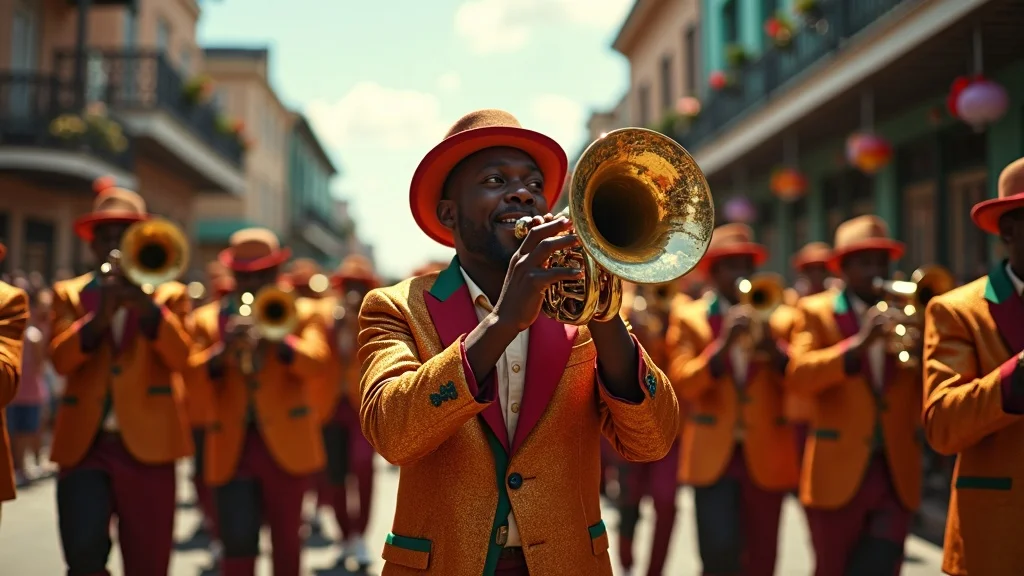
Vibrant brass band in New Orleans street parade playing live music with colorful buildings, festive onlookers, and dynamic crowd energy

Why Live Music Feels Different in New Orleans

Live music in New Orleans doesn’t feel like a staged show, it feels like everyday culture you can touch and share. Here, performances are as likely to spill out into the street as they are to stay tucked inside a club; celebration overflows onto sidewalks and into parks, pulling together locals and visitors alike. Each neighborhood develops its own musical character, so the sounds you hear on Frenchmen Street in the Marigny are different from the rhythms in Uptown New Orleans or the indie pulses you’ll catch in the Bywater. The music scene is not just a matter of scheduled sets or ticketed events, it’s the soundtrack to dinner, conversation, and even daily errands.

What truly sets New Orleans apart is the way musical traditions are passed down through generations, forming a living history within each note. Families and neighborhoods nurture young musicians, hosting late-night jams that shape the city’s sound for decades to come. The result is a culture where your favorite dive bar might host an impromptu second-line parade, or the house band at a famed venue echoes legends like Louis Armstrong. And always, hospitality mingles with music: a perfect night might begin with a walk, dinner, and a chance encounter with an amazing live set, reminding everyone that, in this city, the line between performing and celebrating barely exists.

  • Neighborhoods develop their own musical identities

  • Generational musical traditions shape the local music scene

  • Hospitality and music go hand in hand, dining, conversation, and dance often happen together
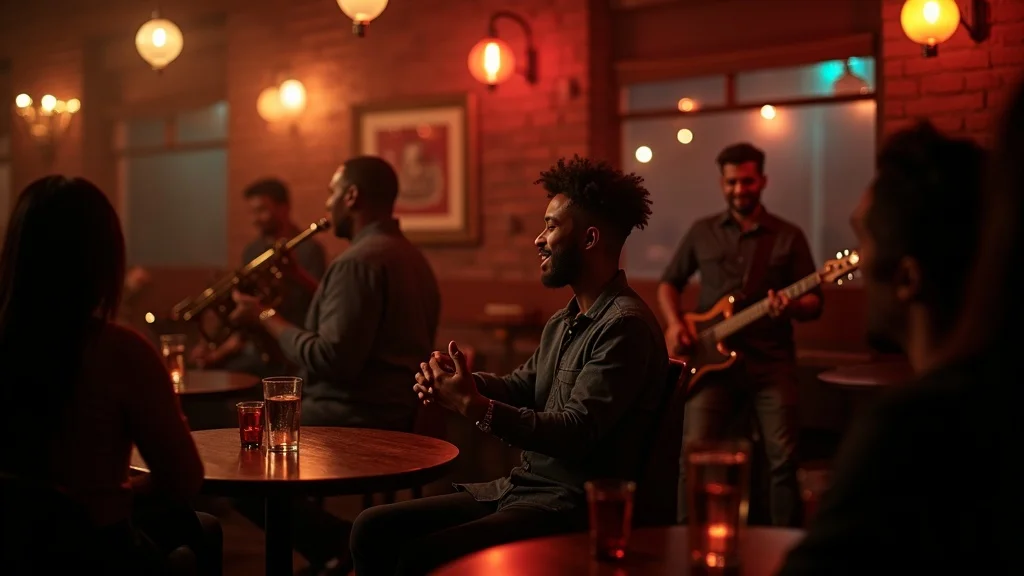
Cozy New Orleans jazz club interior with musicians and audience sharing live music, vintage decor, and emotive atmosphere

Jazz Remains the City’s Emotional Language

In New Orleans, jazz isn’t history, it’s the city’s living, breathing emotional language. From timeless standards played in Snug Harbor Jazz Bistro to contemporary improvisations at a Maple Leaf late-night session, jazz flows as naturally as conversation. Its magic lies in the city’s signature improvisational spirit: musicians test boundaries, respond to the crowd, and create moments that feel deeply personal. The energy is never forced, whether you’re at a polished venue like the Saenger Theatre or seated at a battered upright piano in a tucked-away courtyard. Small clubs and bustling stages alike become places of connection, inviting both laughter and introspection.

It’s this emotional intimacy, an open invitation to witness and even participate, that draws people deeper into New Orleans. Musicians play not just to audiences but with them, encouraging dialogue, movement, and shared memories. Jazz here isn’t just a sound to hear; it’s a feeling to step into. By blending tradition with innovation, the city maintains a rhythm that is both current and timeless, ensuring that each performance is a window into the collective heart of New Orleans.

  • Jazz culture influences everything from hospitality to the local nightlife

  • Brass bands and street music maintain strong community roots

  • Audiences often share in the energy, through dance, dialogue, and celebration

Every Neighborhood Shapes Its Own New Orleans Live Music Personality

A night in New Orleans isn’t chosen by genre, it’s chosen by neighborhood, each offering a distinct vibe and music identity. The French Quarter seduces with its polished, old-world venues and classic jazz drifting from iconic bars, where cocktails and candlelight become part of the performance. Stroll just a few blocks and you break into the kinetic flow of Frenchmen Street, where locals and visitors dance shoulder to shoulder to blues, brass, funk, and indie jams, a playground for those chasing the city’s most electric energy.

Drift into Marigny and Treme for a deeper taste of local tradition: here, the Marigny neighborhood comes alive with raucous brass bands and impromptu street jams, while Treme honors second-line culture with parades and soaring anthems. Bywater and Uptown New Orleans lean into indie roots and relaxed ambiance, with courtyard venues providing space for acoustic sets and neighborly conversation. Meanwhile, the Warehouse District adds a modern spin, mixing contemporary venues with food-forward nightlife. Your path through these communities becomes a playlist, each neighborhood a different song, each block offering new ways to experience the music in New Orleans.

  • French Quarter: Historic venues, classic jazz, cocktail culture, French Quarter nightlife

  • Frenchmen Street: Lively crowds, diverse acts, outdoor and indoor performances

  • Marigny & Treme: Upbeat brass bands, local gatherings, second-line traditions

  • Bywater & Uptown: Indie sounds, relaxed atmosphere, courtyard venues

  • Warehouse District: Modern music venues, food-centric nightlife
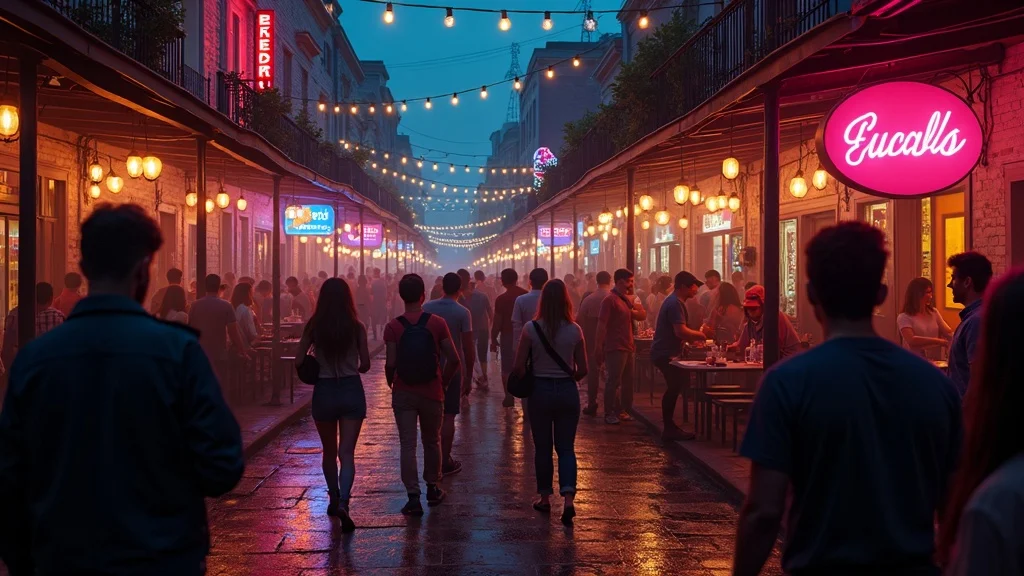
Picturesque evening on Frenchmen Street with live music, lively crowds, street musicians, and glowing neon nightlife atmosphere

Blending Dining, Cocktails, and New Orleans Live Music for the Best Nights

For many locals, a perfect night out is never just a concert, it’s an evolving ritual that begins with a stroll through the neighborhood, a leisurely meal of Creole or Cajun flavors, catching a set of live jazz, and sometimes ending with spontaneous outdoor music. In New Orleans, restaurant and bar culture is entwined with the rhythms of live music: it’s common for friends to plan their evenings around both food and sound, letting one guide the other. The city’s best nights are those that progress fluidly from one experience to the next, savoring cocktails under gas lanterns, listening to a house band at a classic venue, then stepping out for a brass band parade that invites everyone to dance.

This fusion is what makes New Orleans nightlife so iconic. There’s an easygoing sense that good food and good tunes belong together; even the smallest jazz bistro or biggest music venue is incomplete without the backdrop of laughter, conversation, and clinking glasses. Outdoor sets, especially on balmy evenings, turn sidewalks and courtyards into dance floors, turning the city itself into a night-long celebration. Wherever you choose, New Orleans offers a living reminder that live music complements every element of daily joy, helping you find both comfort and excitement in the atmosphere.

  • Start the night with a neighborhood walk

  • Savor local cuisine before catching a set of live jazz

  • Experience late-night brass outdoors, weather permitting
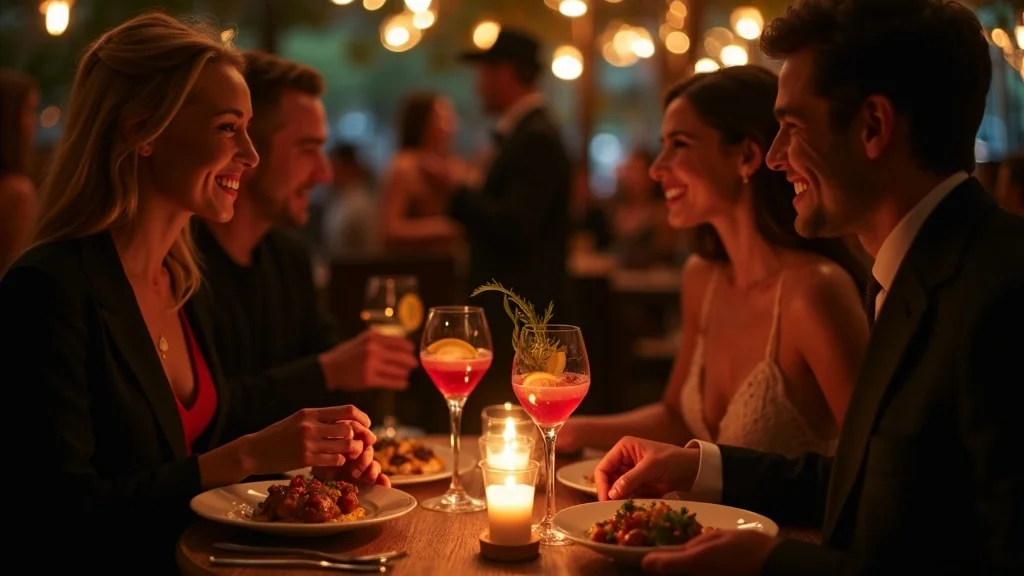
Chic New Orleans restaurant and bar scene with friends enjoying cocktails, Creole cuisine, and visible jazz band playing in the background

Smaller Venues, Lasting Memories: The Magic of Intimacy in the Local Music Scene

While major festivals and bustling stages draw headlines, the true magic of the New Orleans live music scene is most often found in small, inviting spaces. From legendary dive bars like Saturn Bar to intimate courtyard sessions, these are the places where musicians and guests mingle as equals. There’s a sense of openness, you might talk with the band before their set, catch an unscripted jam, or join a birthday toast mid-performance. Here, live music feels less like a show and more like a shared experience, where locals and newcomers connect over a common love for sound.

It’s the little things, a favorite house band riffing late into the night, a surprise guest slipping onto stage, the laughter exchanged over a familiar melody, that create memories even more vivid than any headline act. These venues offer a chance to step into the city’s heart, greet old friends, and make new ones, all while music blurs the line between artist and audience. The atmosphere is relaxed but electric: every note feels personal, every encounter authentic, reminding you that in New Orleans, smaller venues often provide the greatest stage for intimacy and discovery.

  • Personal interactions between musicians and guests

  • Unscripted jams and surprise guest appearances

  • Atmospheres where locals and visitors mingle as equals
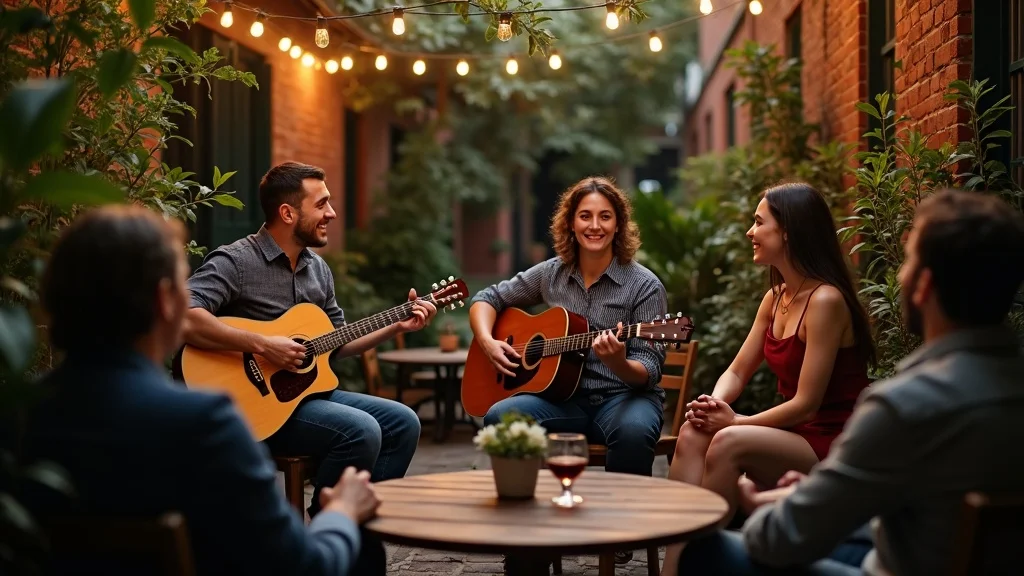
Intimate courtyard live music session in New Orleans with musicians and audience sharing smiles, relaxed seating and warm atmosphere

Timing Is Everything for Experiencing New Orleans Live Music

The joy of New Orleans live music is that it fits any mood and any hour, but knowing when to go makes each experience special. Some prefer the gentle warmth of early evening as venues open their doors, when the first jazz standards drift out and crowds gather for pre-dinner sets. Others seek the wild rush of late-night on Frenchmen Street or Bourbon Street, where energy surges and surprises spring up at every turn. Weeknights offer the perfect place to encounter regulars, quieter conversations, and unexpected collaborations. Weekends swell with visiting fans, making the music scene feel festive and vibrant.

Seasons matter, too. The thick, sweet humidity of summer ushers in laid-back, outdoor performances, from courtyard jams to lively street festivals. Festivals and major events, like those hosted at the Smoothie King Center or the Saenger Theatre, add another layer of excitement, but smaller venues always keep the music flowing, rain or shine. It’s worth planning your night for the best flow between neighborhoods, moving from Uptown’s relaxed patios to the raucous celebration of the Marigny, always with a sense of adventure. In the end, timing isn’t just an afterthought, it’s a crucial part of living the New Orleans live music story.

  • Evening versus late-night performances

  • Seasonal atmosphere and outdoor shows

  • Planning routes between neighborhoods for the best flow
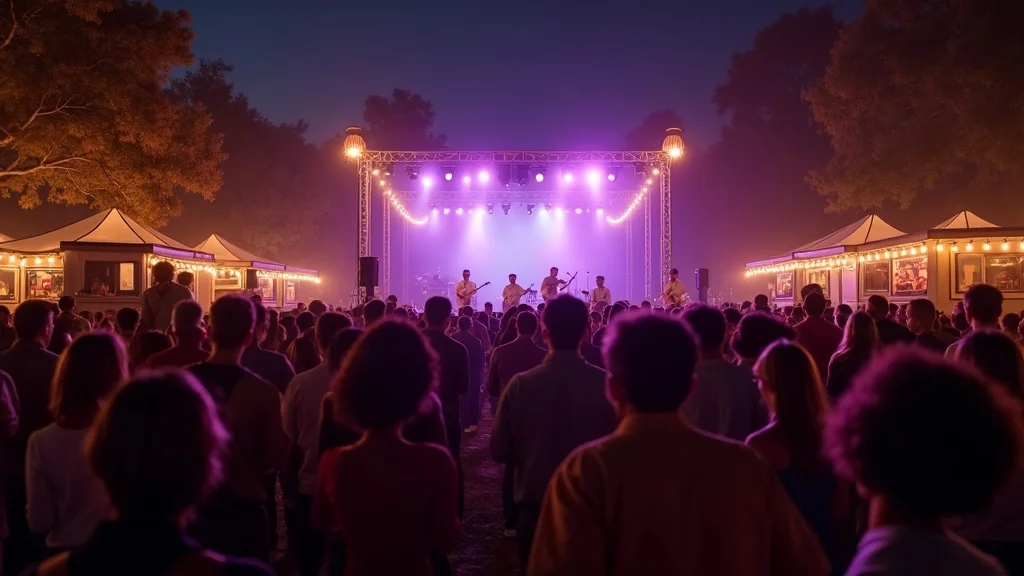
Festive nighttime festival scene in New Orleans with dancing crowds, live band on stage, and vibrant celebratory lighting

Where can I hear live music in New Orleans?

You can hear live music throughout New Orleans, from legendary venues to unexpected street corners. The French Quarter is full of classic jazz clubs, while Frenchmen Street in the Marigny is known for its bustling lineup of diverse acts each night. Dive bars like Saturn Bar, clubs such as Snug Harbor Jazz Bistro, and even cozy restaurants offer spontaneous sets. Don’t overlook outdoor patios and daytime celebrations, brass bands, street performers, and second-line parades animate every part of city life. Whether you’re strolling beneath historic balconies, checking out the Maple Leaf in Uptown, or dancing late night at the Smoothie King Center, you won’t have to look far for authentic New Orleans music.

Is New Orleans good for live music?

Absolutely, New Orleans is one of the best cities in the world for live music. The local music scene is more than an attraction, it’s everyday culture. From jazz and blues to indie rock, funk, brass, and R&B, every night of the week brings a new blend of styles and experiences. The city is home to legendary musicians and world-class venues, but what makes it unique is the way music overlaps with food, nightlife, and everyday gathering. Whether you want to catch a house band at a famed dive bar, witness historic jazz in the French Quarter, or join an impromptu street dance on Frenchmen Street, you’ll discover that New Orleans turns every evening into an unforgettable musical journey.

What is the best street in New Orleans for music?

Frenchmen Street in the Marigny neighborhood is widely considered the epicenter of live music in New Orleans. Just steps from the bustling French Quarter, it pulses with a constant flow of blues, brass, funk, and jazz, spilling out of iconic venues and onto vibrant sidewalks. Both locals and visitors head there for authentic performances, lively crowds, and a mix of indoor and outdoor stages that invite dancing well into the night. While Bourbon Street offers its own wild energy and classic clubs, Frenchmen Street stands out for its community feel, diversity of acts, and the sense that every night is a block party celebrating the city’s love of live music.

What is the most popular music in New Orleans?

Jazz is undeniably the most iconic music of New Orleans, but the city’s soundscape features a wide range of styles. Brass bands, R&B, funk, zydeco, blues, and even indie rock all thrive here, often blending together in spontaneous performances. The tradition of improvisation, rooted in both jazz and the city’s street culture, shapes everything from formal concerts to second-line parades. Whether you’re at a jazz bistro, a bustling festival, or an intimate club, you’ll encounter music that is deeply tied to New Orleans’ history while evolving with each new generation of musicians.

Live Music: The True Introduction to New Orleans

In New Orleans, live music is the city’s introduction, it welcomes you, tells its story, and ties you to the spirit of every neighborhood. Where other places may offer landmarks or museums, here it’s the rhythm of a street parade, the laughter in a crowded bistro, the conversations carried over the sound of a late-night jazz trio that linger in your memory. You haven’t truly met this city until you’ve let its live music guide you, until the sights, tastes, and stories all start to move in harmony with the beat. For locals, it’s a way of life; for visitors, it’s the moment New Orleans becomes more than a trip, but a feeling you’ll want to return to again and again.
If you enjoyed this article, why not stay connected? Join New Orleans Local Unplugged on Facebook, Instagram, and YouTube for exclusive local information. @neworleanslocalunplugged

New Orleans Nightlife

Write A Comment

*
*
Please complete the captcha to submit your comment.
Related Posts All Posts
05.31.2026

How Cocktail Culture Shapes New Orleans After Dark

As dusk settles on New Orleans, something almost magical begins to unfurl across the city. The last light glimmers on the wrought-iron balconies of the French Quarter, and the gentle clink of ice against glass spills from open patios. Friends gather in clusters beneath the glow of gas lamps. Bartenders, both seasoned and new, slip behind familiar mahogany bars, prepping trays for the first orders. From Marigny jazz clubs to tiny Uptown courtyards, you’ll find voices rising, glasses meeting, and music humming. New Orleans cocktail culture is not a sideshow to the city's after-dark allure, it is the heart that keeps its nightlife pulsing slow and rhythmic. Here, cocktails don’t merely fill menus; they anchor social rituals, shape neighborhood rhythms, and underscore a sense of connection that makes New Orleans nightlife truly one-of-a-kind.Scene-Setting: Cocktail Culture and New Orleans NightlifeDive into the city’s evening, and you’ll quickly grasp that New Orleans cocktail culture is woven into every thread of its nightlife tapestry. From the first toast in a tucked-away local bar to the last sip of a classic gin fizz on a shadowy Royal Street patio, cocktails guide the pace, spirit, and style of after-dark adventures. Unlike nightlife scenes that race from one spectacle to the next, New Orleans prizes the art of lingering. This means cocktails are rarely rushed, they set the tempo, cueing conversations, laughter, and the slow build-up toward live music performances or impromptu street gatherings. Neighborhood bars glow with vintage lights, jazz notes floating through open windows, as locals and visitors pause, savor, and settle in. Whether in a historic hotel bar or a simple sidewalk café, the drink in hand is more than refreshment; it’s an invitation into the city’s ongoing nightlong story.You’ll notice how each part of the city reveals a different side of the orleans cocktail tradition. In the French Quarter, the living history of cocktails, like the iconic Sazerac or the legendary Carousel Bar, meets the bustle of Royal Street. Uptown, locals catch up over ramos gin fizz or fleur-de-lis spritzers, while nearby music venues attract listeners in search of signature drinks and soulful jazz. Even beyond main thoroughfares, neighborhood spots reflect the city’s commitment to pacing, hospitality, and the feeling that every cocktail marks a meaningful moment shared after sunset.What You'll Learn About New Orleans Cocktail CultureHow cocktail culture defines New Orleans nightlife beyond drink menusThe role of cocktails in social rituals and pacing nightly adventuresWhere music and cocktails overlap to create an authentic local experienceHow neighborhood atmospheres reveal the city’s diverse personality after darkThe connection between historic traditions, hospitality, and modern nightlifeThe Rituals: Cocktail Culture as Social LanguageIn New Orleans nightlife, cocktails are a social ritual as much as a beverage. Locals know that the night rarely begins with dinner; instead, pre-dinner cocktails set the stage, inviting groups to gather, relax, and slow down the evening’s pace. Imagine the gentle glow of a hotel bar, where guests clink glasses before heading out for music, or neighborhood friends sharing a ramos gin fizz to catch up on the week’s news. In this city, the cocktail is a conversation starter and a timekeeper, drawing together different circles, whether friends on their way to a show, or a solo visitor welcomed by the easy banter of bartenders at a local bar. As the night deepens, cocktail bars across districts fill with voices lingering over second rounds and third stories, the ritual of drinking becoming a kind of hospitable choreography.Unlike the rush of venues in other cities, the orleans cocktail culture values "holding a moment." Here, there’s space for lingering over a vieux carré, tracing the bittersweet notes of local bitters and American rye whiskey, or letting the taste of a classic gin fizz conjure stories of eras past. Even in busy districts, the act of sharing a drink feels deliberate, a way to mark time, unwind, and engage in the art of being present together. Nightlong conversations unfold not as background noise, but as the heart of neighborhood nightlife, proof that in New Orleans, every cocktail poured is part of the city's social language.Classic Orleans Cocktail GatheringsNeighborhood pre-dinner drinksGroup meetups before showsNight-long conversations at locals’ favorites"In New Orleans, a cocktail isn’t just a drink, it’s an invitation to slow down, listen, and hold a moment with friends old and new."Where Music Meets the Glass: Jazz, Blues & Cocktail CultureIt’s impossible to talk about New Orleans cocktail culture without mentioning music. Walk into any New Orleans jazz club or blues bar, and you’ll find that cocktails and melody are intimately intertwined. The evening might begin with a round of Sazeracs at a historic venue on Royal Street, the rhythmic back-and-forth of drinks and conversation blending with the first notes from a piano or trumpet. At these New Orleans jazz clubs, the music isn’t the only thing that sets the tone. Signature drinks, often inspired by old recipes using rye whiskey, orange flower water, or bright citrus peels, become part of the atmosphere: sipped during solos, discussed between sets, and lifted high for celebratory toasts.What’s unique here is how the music culture and cocktail culture feed off each other. A well-made vieux carré, with its layers of American rye, local bitters, and aromatic flourishes, matches the complexity of the jazz echoing through mahogany halls. It’s not about drinking quickly or loudly; instead, every glass becomes a quiet companion, pacing the night, making space for listening, reflection, and connection. Savoring a cocktail in a smoky listening room, you’ll realize that cocktail culture is a dialogue between flavor and sound, a living thread that’s as much about the experience as it is about the drink itself.New Orleans Jazz Clubs: Atmosphere & CocktailsHow cocktails accompany the live music experienceSignature drinks in small music venuesThe interplay between sipping, listening, and connecting"Each pour feels like a note in the city’s score, a blend of flavor, melody, and memory."Neighborhood Nightlife: A District-by-District Look at New Orleans Cocktail CultureAt night, each New Orleans neighborhood reveals a distinct cocktail identity shaped by its history, music, and social rhythms. The French Quarter glows with tradition, classic bars serving Sazeracs or gin fizz cocktails beside cobblestone streets. Marigny and Bywater lean creative, with local bars offering inventive takes on old recipes, jazz bands tucked in cozy venues, and a palpable sense of community. In the Warehouse District, sleek cocktail bars attract a stylish mix of locals and visitors, while Uptown charms with front-porch gatherings and casual sidewalk drinks beneath ancient oaks.Garden District courtyards pulse with gentle conversation and candlelight, perfect for sipping while live music filters through the trees. In Mid-City and Treme, the nightlife feels familial and unhurried, inspired by multi-generational traditions and neighborhood parties. Across these districts, cocktails guide how evenings unfold: which streets buzz with laughter, when music rises, and how people connect. Rather than competing for the loudest party, each area offers a signature gift rooted in its own version of hospitality, music, and the ever-present glass in hand.NeighborhoodSocial AtmosphereMusic InfluenceEvening PacingFrench QuarterHistoric, lively, tradition-rich venuesJazz spilling from open doorsSlow build from dinner to late-night strollsMarignyCreative, eclectic, intimateSmall band performances, local talentMusic and cocktail-driven pacingBywaterLaid-back, artsy, friendlyBlues, indie shows, pop-up eventsRelaxed, communal gathering vibesWarehouse DistrictStylish, modern, bustlingEmerging music, upscale eventsLate-night cocktail sceneUptownNeighborly, porch-to-porch minglingTraditional jazz, porch performancesCasual, steady, friendlyGarden DistrictElegant, romantic, garden courtyardsAmbient live music, soft acousticsLingering, reflective paceMid-CityFamily-centric, classic neighborhoodSoulful background music, local performersGatherings after events, late suppersTremeHistoric, soulful, jazz rootsDeep jazz traditions, paradesRhythmic, rooted in local cultureTradition Through the Glass: Historic New Orleans Cocktail CustomsIf there’s a beating heart to New Orleans cocktail culture, it rests in its devotion to tradition and hospitality. Bars here aren’t just places to order a drink, they’re keepers of stories, living museums of technique, and sites where rituals pass from generation to generation. Order a Ramos gin fizz and you step into a story that’s been shaken (quite literally) for more than a century, egg whites, lemon peel, orange flower water, and heavy cream combined into a silky, nostalgic masterpiece. Equally legendary, the vieux carré is a layered mix of American rye, cognac, and bitters, its recipe linked to the city’s French colony past.The carousel bar inside the Hotel Monteleone is a living symbol of the city’s playful spirit, its seats slowly rotating as guests savor classics. Every venue seems to play its own role in preserving and reimagining iconic drinks: from the citrus-laden Sazerac at an old-school French Quarter haunt, to the indulgent café brûlot (flambéed tableside) in an atmospheric hotel bar. What unites them isn’t just history, but craftsmanship and patience, values that shape how evenings unfold across every corner of the city.The Evolution of the Ramos Gin Fizz and Other IconsStories behind the Ramos gin fizz, vieux carré, and carousel barHow technique and tradition converge after dark"To order a vieux carré is to join a lineage of night owls who valued patience, craftsmanship, and good conversation."Emotional Atmosphere: Why New Orleans Nights Feel DifferentStep out after sunset, and you’ll sense why New Orleans nights stand apart from anywhere else. There’s a luxurious slowness to socializing, an emotional current that runs under every toast and every melody drifting between the buildings. Open patios and sidewalk bars are more than backdrops, they’re staging grounds for spontaneous conversation and honest connection. Here, hospitality isn’t just a nicety; it’s the city’s unwritten code, turning strangers into regulars and regulars into friends over the course of a single evening.The emotional tempo of New Orleans after dark is set by a blend of lingering ritual and fleeting celebration. Cocktails help shape this mood: the gentle swirl of a Sazerac, the creamy cloud atop a gin fizz, the aromatic steam of a late-night café brûlot. In between, live music pulses through neighborhoods, blending seamlessly with laughter and conversations warmed by candlelight. After dark, the city’s spirit feels both unhurried and fully alive—a reflection of deep roots, vibrant music, and the unbreakable thread of cocktail culture binding everyone together.Hospitality, Atmosphere, and Social Rituals in New Orleans After DarkOpen patios and sidewalk barsConversations shaped by hospitality traditionThe emotional tempo of the city after sunsetCocktail Culture and Local Traditions: Nightlife in MotionIn New Orleans, nightlife traditions are never static; they’re in constant motion, shaped by festivals, season, and spontaneous celebrations. From the spectacle of a second line parade, with revelers toasting signature cocktails as brass bands dance down the block, to intimate courtyard gatherings where drinks spark storytelling and laughter, the role of cocktails is ever-evolving. Rituals like flaming café brûlot on a chill winter night, or sipping mint juleps during Mardi Gras, reflect a city that cherishes both spectacle and routine.Even outside festival season, the city’s calendar is dotted with small-scale events, neighborhood get-togethers, and live music routines, all propelled by the mingling of drink and community. The line between the city’s historic traditions and its nightlife today is porous; new generations adapt old customs, from the way cocktails are crafted to how they pace their evenings and celebrate milestones. Moving through the night in New Orleans, every glass raised becomes a marker of belonging in a living, joyous tradition.From Café Brûlot Rituals to Courtyard GatheringsUnique New Orleans traditions fueled by cocktailsSeasonal and festival-related nightlife patternsCocktail Culture’s Ongoing Influence on the CityEven as the city grows and changes, cocktail culture remains a touchstone of New Orleans identity. New cocktail bars experiment with local bitters, American rye whiskey, and fresh citrus, while iconic hotel bars keep the city’s heritage alive for each new wave of visitors. The interplay of tradition and invention means that the rhythms of an evening, when music starts, when conversations peak, when revelers take to the streets, are still guided by the same hospitality woven into every glass. Whether you’re a visitor pausing for your first Sazerac or a lifelong local sharing café brûlot among friends, you’re taking part in a living legacy, a nightlife tradition that continues to shape how New Orleanians celebrate, connect, and savor every moment after dark.A walkthrough of iconic New Orleans cocktail bars, highlighting unique atmospheres and local music pairingsPeople Also Ask About New Orleans Cocktail CultureWhat cocktail is New Orleans known for?New Orleans is most famous for classic cocktails such as the Sazerac, considered by many as the city’s official cocktail, along with drinks like the Ramos gin fizz, vieux carré, and hurricane. Each of these iconic creations reflects the creativity and tradition found in New Orleans cocktail bars and is still celebrated across the city’s historic venues.Does New Orleans have a drinking culture?Absolutely. New Orleans has a storied drinking culture that is deeply entwined with its history, music, and sense of hospitality. However, it’s less about wild partying and more about social ritual, craftsmanship, and lingering conversations. Whether in a hotel bar on Bourbon Street or a local bar in Treme, drinks signify welcome and community.What's the most annoying drink for a bartender to make?Many New Orleans bartenders will say the Ramos gin fizz is challenging because it requires extensive shaking (sometimes up to 10 minutes) to achieve its iconic creamy texture. Yet, the result is a signature New Orleans cocktail that’s well worth the effort! Other drinks with fussy layers or complex steps might also test a bartender’s patience on a busy night.FAQs: New Orleans Cocktail Culture and NightlifeHow does a typical night unfold in New Orleans cocktail bars?Most nights begin with early evening meetups at local spots for pre-dinner cocktails. Conversations stretch out as friends or visitors ease into the city's slow, social rhythm. After dinner, groups might drift to nearby music venues, sidewalk bars, or hotel bars to continue the night, often lingering well past midnight in celebration and camaraderie.Do all neighborhoods in the city share the same cocktail traditions?While all neighborhoods value hospitality and ritual, each expresses cocktail culture a bit differently. The French Quarter leans historic, Uptown is more relaxed, Marigny and Bywater get creative, and Treme and Mid-City focus on family and jazz roots. This diversity is what makes New Orleans nightlife so rich and rewarding to explore.What’s the difference between tourist nightlife and local experiences?Tourist nightlife may focus more on Bourbon Street and big parties, but local experiences are rooted in tradition, music, and authentic connections. Locals frequent neighborhood bars, porch gatherings, and intimate music rooms, enjoying a slower, more soulful pace defined by genuine conversation and classic cocktail traditions.Why is live music so intertwined with cocktail culture in New Orleans?Music is everywhere in New Orleans, wafting from jazz clubs, blues bars, and courtyards after dark. Cocktails act as a natural companion, pacing the evening and creating an ambiance that encourages listening, sharing, and staying present. The marriage of music and cocktails makes every night feel like a shared, ongoing celebration.Key Reflections on New Orleans Cocktail CultureNew Orleans cocktail culture defines nightly rituals and the social landscape after dark.Neighborhoods express distinct atmospheres shaped by cocktails, music, and hospitality.Historic traditions, music, and emotional connection are always present after sunset.Locals and visitors alike find belonging and celebration within these cultural rhythms.Feeling the Pulse of New Orleans: A Nightlife Tradition That EnduresAt its heart, New Orleans cocktail culture is more than a menu, it's a language, a tradition, and a nightly celebration of community, music, and belonging that endures generation after generation.If you enjoyed this story, why not stay connected? Join New Orleans Local Unplugged on Facebook and YouTube for exclusive local information. @neworleanslocalunplugged

Terms of Service

Privacy Policy

Core Modal Title

Sorry, no results found

You Might Find These Articles Interesting

T
Please Check Your Email
We Will Be Following Up Shortly
*
*
*