

There’s a unique magic in the New Orleans vibe that stirs your soul. It’s not just a city; it’s a living, breathing experience. When you soak in its streets, music, and culture, you feel alive in a way unlike anywhere else. What is it about New Orleans that seeps into your memory and refuses to fade, long after you've left the crescent-shaped bend of the Mississippi? From the golden shimmer of gas lamps on aging brick to the drifting sound of live jazz, New Orleans crafts an atmosphere that is both vivid and fleeting, revealing itself in layers as you walk, listen, and linger. Let’s slip into the city together at twilight and see how its vibe becomes unforgettable, one sensation, one ritual, one moment at a time.
A Twilight Walk: Experiencing the New Orleans Vibe as the City Transforms
The Quiet Shift: When Daylight Fades and the New Orleans Vibe Comes Alive
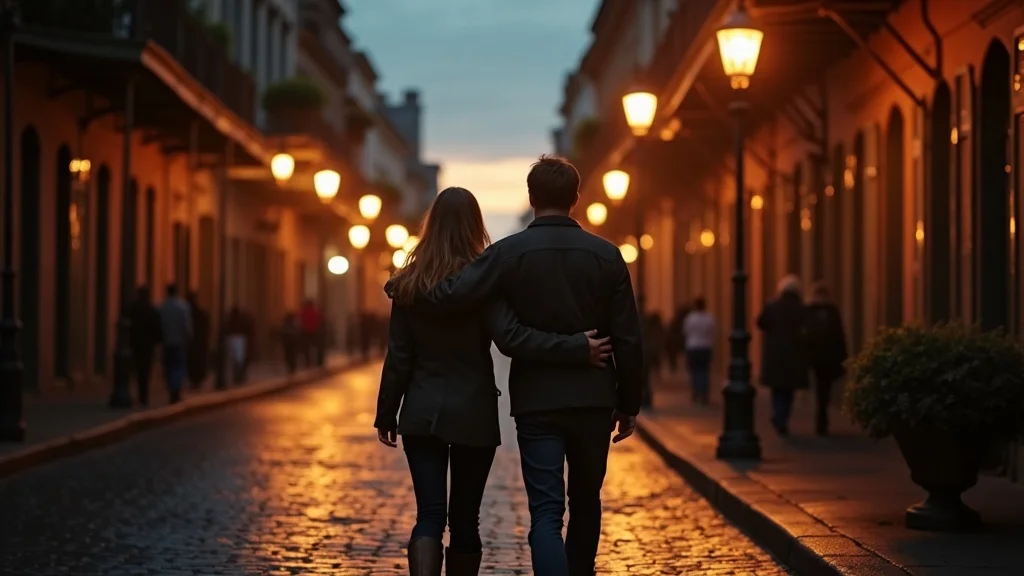
Spend enough time in New Orleans and you'll sense the city drawing a breath as day surrenders to dusk. On a gentle evening, wander the cobblestone of Royal Street or Decatur St: lamplight begins its golden glow, painting deep shadows on historic buildings. Soft mist coils above the streets, mingling with the aftertaste of a fleeting rain, and each window shines like a new invitation. This is when the New Orleans vibe moves from backdrop to center stage, where the music of conversation swells, and each corner seems to reveal another world. The sounds and sights heighten as twilight deepens, distant brass bands warm up in the Marigny, and even the pace on Bourbon Street relaxes from afternoon bustle to evening promise. The transformation isn’t loud or sudden; it’s a subtle shift, easy to miss unless you’re walking, not rushing, and open to the city’s invitation.
Sights, Sounds, and Sensations: Setting the Emotional Stage
What creates this atmosphere? It is a mingling of city lights and the low hum of life, woven together until the French Quarter, Marigny, and even the far edges of Canal St seem to pulse with warmth. You might catch the faint rhythm of a street musician’s horn, or the laughter of friends spilling out from a colorful courtyard. Restaurant patios and jazz clubs begin to fill; conversations drift lazily on the humidity, and the city’s heartbeat grows steady and strong. In New Orleans, every sense is engaged and inviting you to slow down, to notice, whether it’s the warm glow of streetlight on wrought iron or the sigh of a gentle evening breeze. This is the emotional stage, where presence and curiosity together become the most trustworthy guide through the city’s unfolding night.
Subtle Beginnings: How the New Orleans Vibe Grips You Instinctively
Atmosphere Before Awareness: The Edge of Every Experience
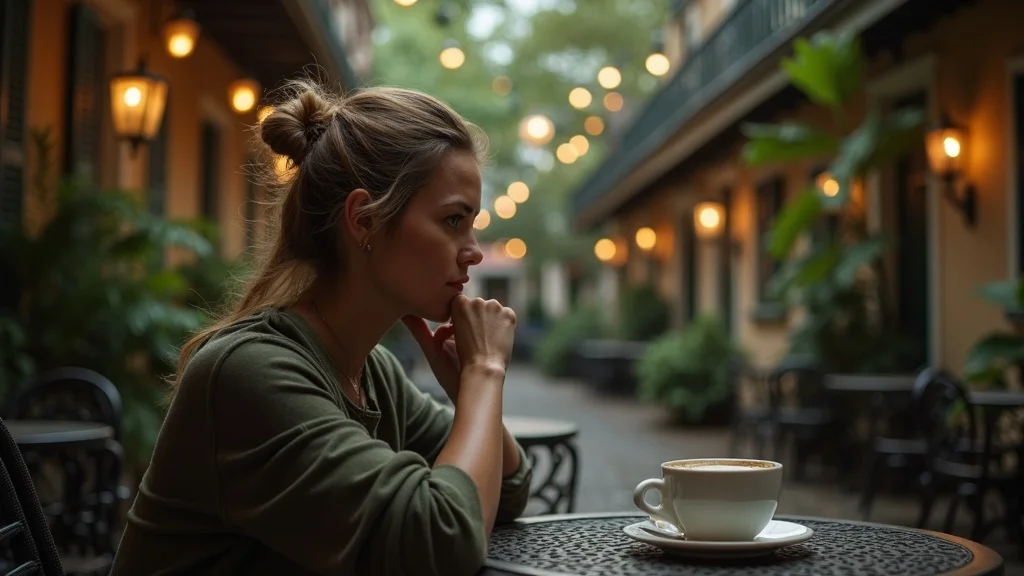
Before you even realize it, the New Orleans vibe has settled around you. It happens in small, unnoticed moments, before you become aware of what makes the city special. Perhaps you’re sitting at a café on Magazine St, drawn by the easy pace and shaded courtyards, or pausing under an ancient oak on Saint Charles as the first rays of sun filter through Spanish moss. At the edges of awareness, even the rhythms of daily life, the slow opening of a shop, a greeting exchanged on Royal Street, the clink of glasses in a sculpture garden, become a quiet, shared ritual. This atmosphere is not forced. It starts as a sensation, the soft background hum of music or laughter, blending into your experience until you realize, almost in retrospect, that the city’s energy has become your own.
Music as an Emotional Underpinning of the New Orleans Vibe
How Live Music Shapes Street Life in the French Quarter and Marigny
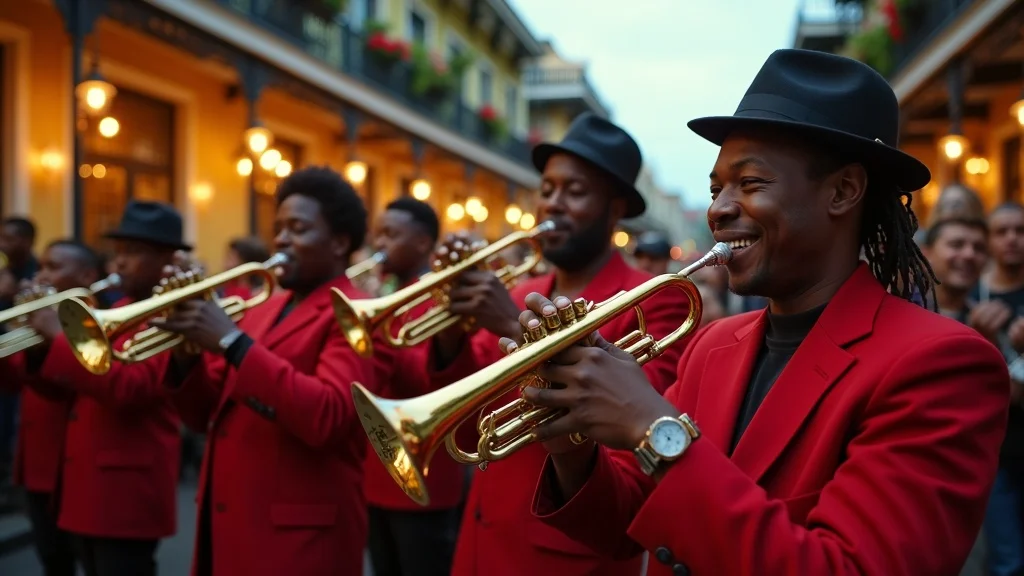
Music flows through New Orleans like the Mississippi itself, changing, winding, ever-present. It’s not just a show; it’s the city’s pulse. In the French Quarter and Marigny, live music is both backdrop and main event. Brass bands tune up on corners, drawing neighbors and travelers alike into spontaneous gatherings. On Frenchmen Street, a single trumpet can shift the mood of a whole block, and the sudden crash of cymbals or a salute from a saxophone tells you that life is being lived out loud. Sometimes, live jazz appears in tucked-away courtyards or even in the heart of the arts district, always making the ordinary feel a little magical. Even a quick pause near a gift shop or art museum might reward your ears with a soft melody escaping from an open door. These details, music unexpected, experienced, and felt, become the very rhythm of New Orleans street life.
Jazz Clubs, Brass Bands, and Spontaneous Sounds: The Heartbeat of Local Music
Step inside a neighborhood jazz club, maybe tucked behind a weathered façade or nestled in the Marigny or Treme, and you’ll find local musicians weaving traditions that stretch back generations. New Orleans doesn’t treat jazz, brass, or blues as museum pieces; they are lived and remixed nightly. Each club and corner preserves a unique heartbeat, one set by the rhythm of a brush against a snare drum, the bluesy call of a sax, or the communal shout from a jubilant brass band. At times, the sweet, sad moan of jazz flows through open windows, mingling with street noise, while other nights become intimate affairs as neighborhoods gather to witness a quiet, hypnotic piano solo. In New Orleans, even the simple act of walking past an unassuming venue can surprise you with bursts of live music that anchor the city’s emotional core.
Neighborhoods Resonate: When Live Performance Becomes Ordinary
Perhaps nowhere else in the United States is music so stitched into everyday life. In New Orleans, live music is less an event than an expectation, something you absorb while strolling along Canal St, browsing a local jewelry store, or sipping coffee on a shaded patio. Children dance beneath balconies, old-timers tap along to familiar tunes, and every listener feels like part of the performance. Whether at a jazz club on Decatur St, an impromptu brass band outside the II Museum, or a blues set echoing from an arts district art gallery, music is always near and rarely upstaged by the noise of the city. This ever-present soundtrack, blending expertly with laughter, conversation, and evening breezes, invites you to linger and lose all sense of time, fully absorbed in the living, breathing New Orleans vibe.
Visual Texture: Architecture and Streets That Embody the New Orleans Vibe
Aging Brick and Wrought Iron: Senses Engaged in the French Quarter and Garden District
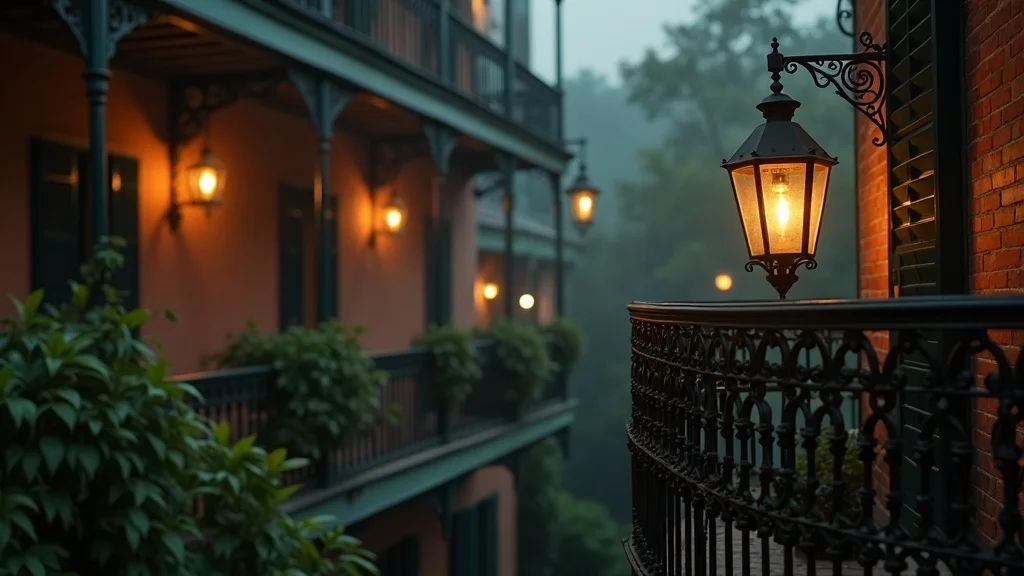
The atmosphere of New Orleans is built on its physical bones. In the French Quarter and Garden District, architecture tells stories at every turn. Walk beneath balconies latticed with intricate wrought iron, run your hand across sun-warmed brick, or pause before a glowing gas lamp flickering beside an old wooden door. Here, surfaces are never just backgrounds, they’re invitations to observe closely. Moss creeps artfully across stone; the slow decay of paint on plaster makes every wall a living timeline. These textured layers, found along quiet residential streets and amid the bustle of Royal Street or Magazine St, blend French, Spanish, Creole, and American influences, creating a streetscape as vibrant and unpredictable as the city’s music. Even outside bustling neighborhoods, the leafy stillness of Garden District mansions and the storied charm of grand Victorian homes lend a hushed beauty that’s distinctively New Orleans.
Weathered Facades, Gas Lamps, Shaded Courtyards: Observations Over Decoration
It’s the subtle details that shape the New Orleans vibe. Each weathered façade, cracked but resilient, holds within its frame the collective memory of neighborhoods. Gas lamps cast long, diffused light onto brick walkways, while hidden courtyards bloom with ferns and banana trees. In these quiet urban pockets, far from the crowds of Bourbon Street, one can listen to the gentle click of beads on a gate or the distant hush of passing streetcars. The city’s love for shade, for lingering beneath ironwork canopies and wide gallery porches, reflects not just a response to climate, but a respect for the slow unfolding of life. Whether you’re in a bustling arts district gallery or an ancient Treme courtyard, these environments are designed less for decoration than for living, spaces meant to be inhabited, not just admired.
Mississippi River Views and Oak-Lined Streets: Layered Architectural Stories
Nowhere does New Orleans wear its past as proudly, or as multilayered, as along the curving banks of the Mississippi River and beneath the sprawling oaks of the Uptown neighborhoods. Wander toward the river at sunset for panoramic city views or slip down an oak-draped street in the Garden District, where every sidewalk tells a separate story. The city’s architecture isn’t static; it evolves with each neighborhood transition. Former warehouses along the river have become trendy eateries and art museums, while historic homes in Treme and Mid-City blend intricate history with ever-present neighborhood rituals. It’s this constant dance between past and present, between creative adaptation and careful preservation, that lets the New Orleans vibe stay fresh and emotionally resonant year after year.
The Flow of Time and Light: How Day and Night Amplify the New Orleans Vibe
Morning Stillness to Afternoon Warmth: Neighborhoods Awaken Slowly
New Orleans begins each day with remarkable softness. In the early hours, the streets of the French Quarter, Bywater, and Mid-City are limned with gentle light, shop doors still closed and only the occasional jogger or local hurrying by. Sidewalk cafés bloom to life by midmorning; there is no rush, only the slow, deliberate awakening familiar to the city’s rhythm. By the time sunlight heats up City Park or brightens the sculpture garden, outdoor tables begin to fill in shaded courtyards and on tree-lined stretches like Saint Charles. Residents linger over coffee, exchanging greetings and watching the warm play of light shift across weathered brick. Even on Canal St, the movement feels deliberate, the air mixing with the first hints of humidity and the subtle sounds of local life, proof that in New Orleans, the vibe is a current that rises with the light.
Evening Transformation: Streets Glow, Conversations Multiply
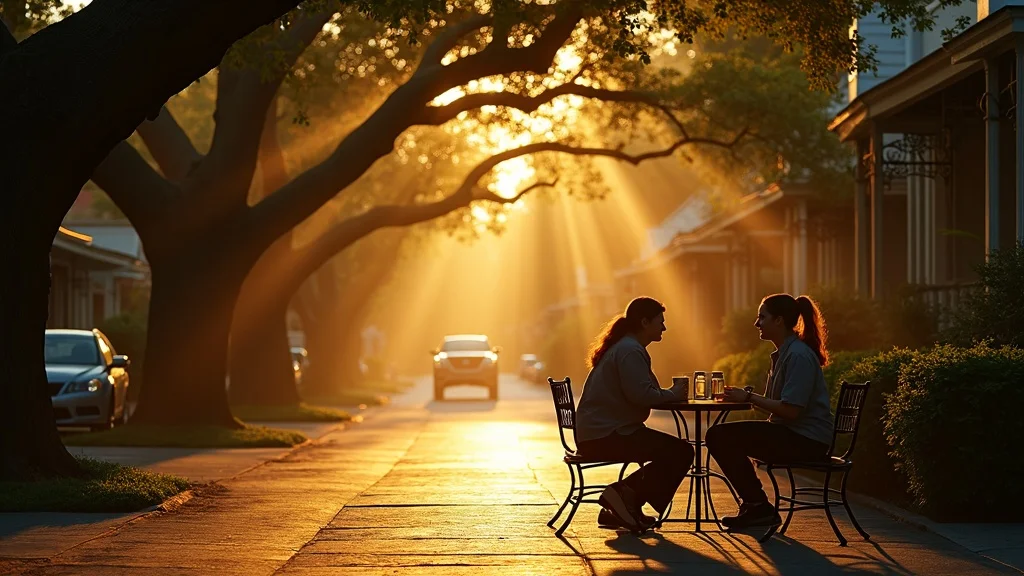
As afternoon wanes and the city catches the golden hour, New Orleans transforms once more. Sidewalks fill as neighborhoods awaken to nightlife. Patio doors swing open in restaurants from the Marigny to Magazine St, and the soft glow of antique lamps spills out onto the streets. Conversations bloom; friends gather beneath oak trees, sharing stories at sidewalk tables as neighborhoods like the Garden District and Bywater take on new energy. Evening light accentuates the city’s colors, jewel-toned facades flash a little brighter, and even the bricks seem to shine beneath gentle streetlights. It’s a time for lingering: neighbors pausing to greet musicians outside jazz clubs, visitors making their way between cafés and lively corners, everyone drawn by the evolving heartbeat of New Orleans nightlife. The city moves at a pace set by music, laughter, and curiosity, a rhythm that invites you to slow down and look closer.
Late Night Intimacy: Jazz Clubs, Courtyards, and Shifting Rhythms
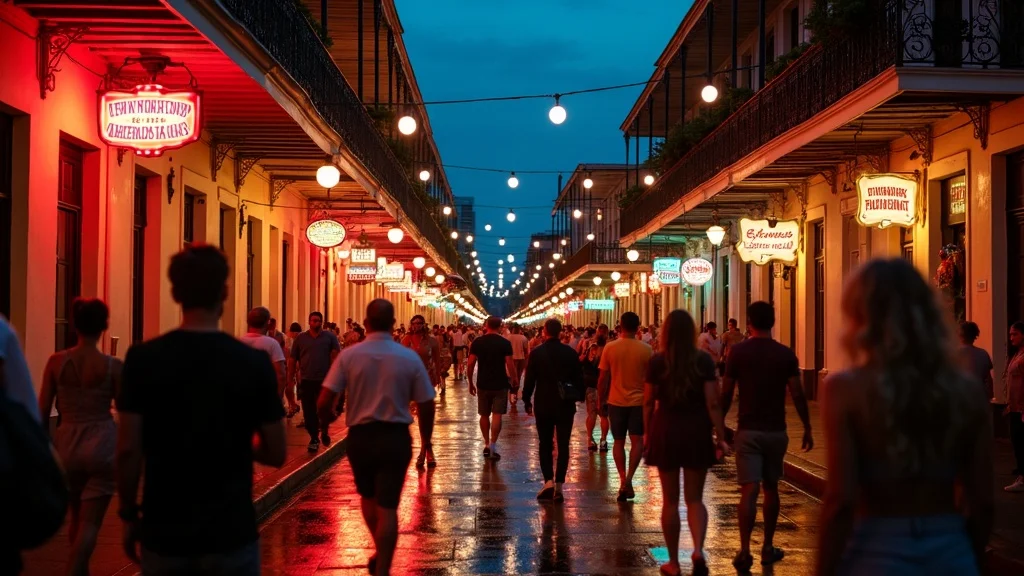
As night deepens, New Orleans reveals its most intimate side. Some neighborhoods, like Frenchmen Street or the back alleys of the French Quarter, hum late into the night, colored by the pulse of live jazz, the shimmer of street reflections, and the soft hush of distant revelers. Elsewhere, particularly in courtyards or tucked-away patios, gatherings take on a relaxed, almost conspiratorial feel; friends lean closer, conversations deepen, and the city’s famous nightlife becomes less about energy and more about connection. In these moments, the New Orleans vibe is distilled: shifted light, layered sound, the warmth of shared presence. This is where the city’s emotional texture lingers, and where you begin to understand why a night here never ends the same way it begins.
Humidity as a Subtle Sculptor of the New Orleans Vibe
Moving at Local Pace: Outdoor Dining, Shaded Gathering, and Breezes
Humidity mingles with the air in New Orleans, shaping life in ways both subtle and profound. It slows your steps, makes you grateful for the shade, and encourages long, lingering evenings beneath banana leaves and wrought-iron arches. In shaded courtyards, condensation beads on glasses while a soft breeze stirs the linen of outdoor tables. This weather isn’t just tolerated, it’s embraced. You’ll see neighbors settling into slow conversations, savoring hours spent at dinner, letting the atmosphere build organically. In places like Bywater, Mid-City, or an open patio on Magazine St, the city’s pace adapts to the elements. Humidity is a kind of invitation: to take your time, to linger, and to appreciate the luxury of simply being present. It’s not always comfortable, but it makes every gathering, and every neighborhood, feel more intimate, more real.

Appreciating the Intimacy Humidity Inspires in Everyday Life
There’s something special about how humidity softens the edges of New Orleans evenings, making laughter sound richer and music seem to linger. It pulls people together in covered porches and under the glow of lanterns, framing every meal and conversation in warmth. Even daily rituals, from morning walks to spontaneous jazz sessions in arts district courtyards, become more connected and authentic as neighbors and friends move just a little slower. It’s this climate-induced closeness that deepens the New Orleans vibe, reinforcing the sense that here, time bends and stretches, making room for more stories, more music, and more presence between friends and strangers alike.
Nightlife Rhythm: Evolving Evenings in the New Orleans Vibe
A Different Pace: Lingering, Wandering, and Discovery
Nightlife in New Orleans isn’t just about energy, it’s about discovery. As the evening unspools, the city invites you to wander: to follow music drifting from corner bars, to find an unplanned dinner spot near a lively sculpture garden, to stop for a sidewalk conversation that stretches far into the night. Unlike the hurried scenes of many cities, here the New Orleans vibe is defined by a willingness to linger, to linger between meals and music sets, between patios and club entrances, exploring not with an agenda, but with an open heart. At every turn, a new facet of the city is revealed, whether it’s jazz filtering through the air, laughter echoing along Canal St, or a quiet street corner where locals pause to savor the moment together.
From Dinner to Jazz Club: How Nightlife Shapes Neighborhood Atmosphere
For many, the true character of New Orleans emerges after dark. A dinner in a hidden courtyard flows naturally into a visit to a tiny, storied jazz club. Walk between venues and you’ll witness scenes that can only happen here: children tailing after a street band, couples swaying to live jazz, or local artists sketching beneath a neon-lit window. Nightlife isn’t a single destination, it’s a sequence of ritual and rhythm, woven through each neighborhood’s unique energy. Whether it’s the creative spirit of the Marigny, the soulful quiet of Bywater, or the pulse of late night on Frenchmen Street, the city at night offers endless opportunities for exploration and emotional connection. This evolving rhythm keeps New Orleans feeling perpetually alive, turning even ordinary nights into memories worth keeping.
Neighborhood Identity: How Atmosphere Changes Across New Orleans
French Quarter: Layered History, Music, and Iconic Architecture
No two neighborhoods in New Orleans feel exactly alike, yet each contributes to the city’s atmosphere. The French Quarter is perhaps the most famous, its history written in every brick, its energy unbroken along Royal Street, Decatur St, and the bustling stretches beyond Bourbon Street’s tourist gravity. Here, live music is never far away; street performers share space with elegant jazz clubs, all set against a backdrop of balcony gardens and centuries-old homes. Every building and courtyard seems alive with stories, some whispered, some sung. The streets here invite wandering, offering up the city’s soul in fleeting glimpses of music, memory, and vibrant daily ritual.
Marigny and Bywater: Creative Energy and Slow Afternoons
To the east, neighborhoods like Marigny and Bywater reveal a more bohemian, artistic side of the New Orleans vibe. Here, the pace relaxes further: afternoons slide into evenings over coffee in bright cafés or quiet hours in hidden parks. Artists and musicians spill out into the streets, hosting pop-up concerts or impromptu art shows, while neighbors stop for long chats or join in a chorus that floats through open windows. These areas stand as proof that New Orleans is not defined by crowds or tourist spectacles, but by the quiet persistence of creativity, community, and presence that shape daily life at every corner.
Garden District and Treme: Contrasts in Beauty and Heritage
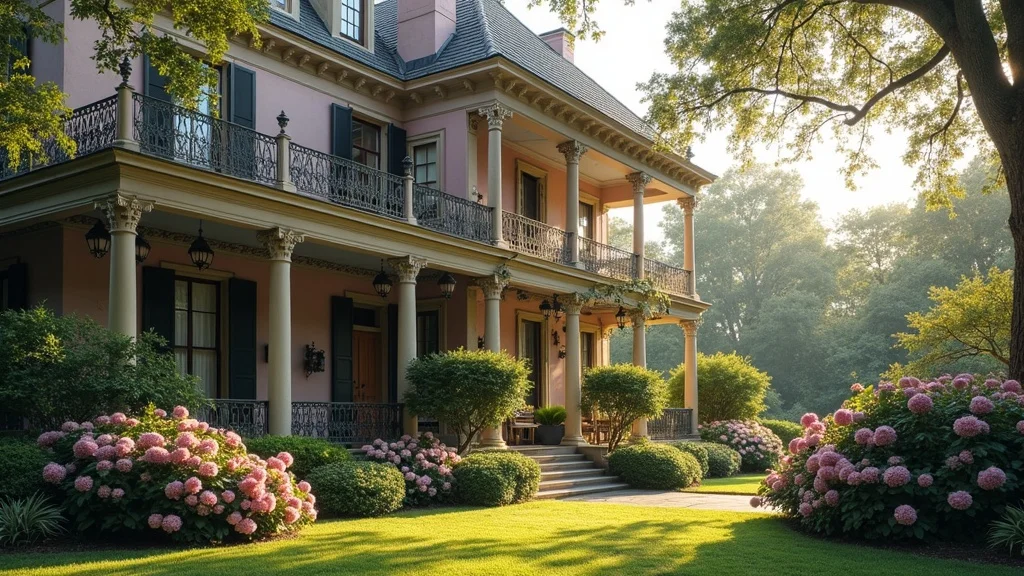
Moving upriver, the Garden District offers an elegant contrast, wide, oak-lined boulevards sheltering historic Victorian mansions. Here, the city’s beauty becomes stately, tranquil. Quiet streets, draped with blooming wisteria and pastel crepe myrtles, provide respite from the livelier quarters. Yet, just beyond lies Treme, where heritage beats strong: jazz traditions thrive, and neighbors gather for block parties, second lines, and celebrations grounded in history and shared pride. In these neighborhoods, the atmosphere is less about spectacle and more about depth, a reminder that every part of New Orleans holds a different piece of its soul.
Warehouse District and Mid-City: Evolving Landscapes and Everyday Rituals
Everywhere you look, New Orleans is reinventing itself. In the Warehouse District, old industrial spaces have been transformed into a hive of art museums, galleries, and modern restaurants, all layered within blocks of historic brick. Here, the vibe is forward-looking but never separate from the past, conversations about new art installations echo over vintage tile and weathered columns. Meanwhile, Mid-City offers a more everyday rhythm. Local restaurants, funky bars, and neighborhood gathering places create a sense of routine, where friendly faces and familiar rituals keep the spirit of community alive. This constant interplay, between history and innovation, tradition and reinvention, ensures the city’s emotional texture always feels authentic, always evolving.
Food, Cocktails, and Social Rituals: The Social Weave of the New Orleans Vibe
Lingering Dinners and Historic Cocktail Bars
Dining in New Orleans isn’t just about food, it’s about ritual. Meals stretch for hours, conversation echoes across open courtyards, and cocktails arrive with stories that might date back to Prohibition, or even earlier. Step into a historic bar in the French Quarter, or a neighborhood haunt tucked away on Magazine St, and you’ll see locals and visitors alike trading tales and laughter beneath softly swirling fans. The air here is thick not only with humidity, but with nostalgia and the deep pleasure of being together. Each table, each meal, and each cocktail becomes a thread in the ever-unfolding social fabric of the city, inviting everyone to slow down and savor the moment together.
Cafés, Courtyards, and the Ritual of Neighborhood Gatherings
Much of the true New Orleans vibe unfolds in the city’s humble, shaded courtyards and lively neighborhood cafés. These are spaces designed not for quick stops, but for lingering—where neighbors swap news, artists find inspiration, and friends catch up over beignets or coffee. In Bywater, the garden patios of local cafés buzz into the afternoon; in Mid-City, regulars know each barista by name. The act of gathering, of being truly present, of leaving schedules behind and making space for real connection, is what gives New Orleans its unmistakable soul. Add in the ever-present background music, and daily life becomes a seamless blend of meal, memory, and music.
When Music, Meal, and Conversation Become One
Nowhere else do the city’s defining elements, music, food, and conversation, intertwine so completely. A quick bite can turn into a spirited debate about jazz or a spontaneous collaboration between diners and musicians. On any night, an intimate meal in a dimly lit courtyard may be serenaded by live jazz drifting over a garden wall or, as during Mardi Gras, punctuated by the distant echo of a parade. These shared experiences, spontaneous and unplanned, are what set the New Orleans vibe apart: a city where the boundary between performer and audience, neighbor and friend, meal and musical backdrop, blurs until all become participants in the communal rhythm of life.
Rituals of Presence: Everyday Interactions That Define the New Orleans Vibe
Greeting Musicians, Evening Walks, and Embracing the Unexpected
Everyday life in New Orleans is built upon small rituals of presence and acknowledgment. There’s a warmth in greeting musicians after a set, or in exchanging a wave with a neighbor from a shaded porch. Evening walks, alone, with friends, or joined by strangers, become moments of quiet discovery, where each turn might reveal an unplanned concert, a mural in progress, or a courtyard filled with laughter. The bigger the event, the more organic the encounter feels: Mardi Gras second lines turning a sidewalk into a dance floor, or neighborhood picnics erupting into impromptu brass jams. In New Orleans, being open to the unexpected means finding magic where you least expect it, and letting the day write its own story.
Why Walking, Not Driving, Reveals the Authentic New Orleans Vibe
New Orleans is best experienced on foot. Walking allows you to tune in to the hidden rhythms, the way live jazz seeps through open doors, the scent of fresh bread mixing with old brick, the subtle shifts in neighborhood character between Canal St, Treme, and Marigny. Driving simply moves you past the surface; walking connects you to the living city. You move at the right speed to greet performers, linger in a sculpture garden, pause beneath blooming crepe myrtle, or dive into the cool of a shaded courtyard. This deliberate pace grants access to the city’s full emotional range, from unexpected street music to hushed nighttime reverence. There is no better way to become part of the New Orleans vibe than to move through its streets with curiosity, presence, and open eyes.
The Lasting Emotional Impression of the New Orleans Vibe
Presence, Curiosity, and the Unforgettable Effect After Leaving
What lingers after you leave New Orleans isn’t just the image of a gas lamp or the echo of a jazz solo, it’s something quieter and deeper. It’s a sense of having lived fully in your senses, of inhabiting a city where presence, curiosity, and connection matter more than any checklist of sights. The New Orleans vibe is a living rhythm, one that swirls through memory, returning in the softest notes of music, the smell of warm stone after rain, or the pull to slow down and notice the world in greater detail. No matter how far you travel, the feeling remains, a city inside your heart, forever inviting you back.


Write A Comment