UPDATE
  • Home
  • Happenings
    • New Orleans Must-Do
    • New Orleans Cafés
    • New Orleans Culture
    • New Orleans Eats
    • New Orleans Hustle
    • New Orleans Nightlife
    • New Orleans Pulse
    • New Orleans Unplugged
    • New Orleans Vibe
    • New Orleans Voices
    • New Orleans Events
    • New Orleans Family Fun
    • New Orleans Sports
  • New Orleans Business Spotlight
June 14.2026
1 Minute Read

Why New Orleans Feels More Emotional Than Most Cities

Walking through New Orleans, you feel the stories etched into every street corner, from jazz whispers to Mardi Gras parades. This city’s culture isn’t just seen, it’s felt, stirring deep emotions that connect past and present in a uniquely vibrant way.

Introduction: Sensing the Emotional Atmosphere of New Orleans Culture

Step into the streets of New Orleans, and you’ll notice something different right away. It's not just the French Quarter’s colors or the sound of jazz that wraps around you, it’s the strong undercurrent of feeling in every encounter. You might follow the slow drift of a saxophone in the humid dusk, watch a spontaneous second line parade weave through people’s daily routines, or swap stories with a bartender who seems as much a local historian as a server. In New Orleans culture, emotion is not tucked away. It shows up in public, celebrated as a community bond, and expressed in rituals, meals, and music that shape daily life. Here, celebration and sorrow often share the sidewalk, helping create a sense of togetherness that lingers in memory long after you’ve moved on. This article dives into what gives the emotional atmosphere of New Orleans its unique, unforgettable power.
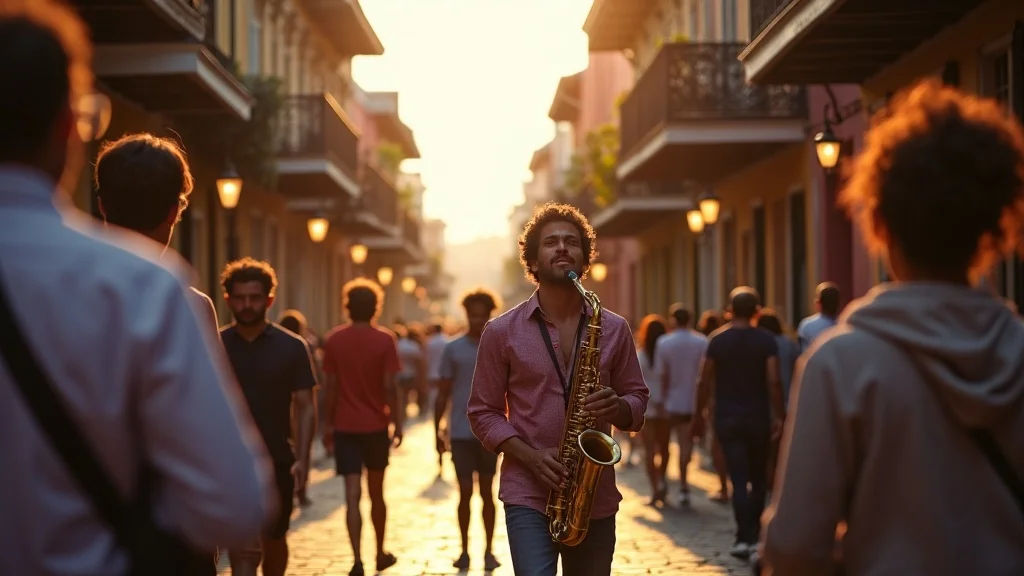
Vibrant street in the French Quarter with expressive faces showing wonder and joy and a lone saxophone busker; New Orleans culture golden-hour street scene, wrought-iron balconies, colorful storefronts, and city lighting

What You'll Learn About New Orleans Culture

  • How music, memory, and storytelling shape daily experiences

  • Why celebration and grief are openly expressed in New Orleans culture

  • The emotional significance of local rituals, food, and neighborhood identity

  • Ways community traditions foster a sense of connection in New Orleans

Music Is Woven Into the Everyday Experience of New Orleans Culture

Music in New Orleans isn’t set aside for weekends or locked inside exclusive clubs. It’s in the air wherever you are: drift past the French Quarter, and you’ll hear jazz notes rising from balconies or see musicians busking by lamp-lit corners. Attend a local gathering in Treme, long celebrated for its deep musical roots, and you’ll be swept up by spontaneous brass bands turning sidewalks into dance floors. New Orleans jazz culture lives in everyday moments, with people pausing to clap, sing along, or even join in the reverie. Unlike most places, where music is often limited to scheduled concerts or closed stages, in New Orleans, rhythms seem to flow freely through open doors and winding streets. This makes each walk through the city a new encounter with sound, creating public moments of joy, pride, remembrance, and unity. Music, here, is conversation. It’s history. Most of all, it’s a communal ritual, part of what makes the city’s emotional atmosphere so palpable for visitors and residents alike.
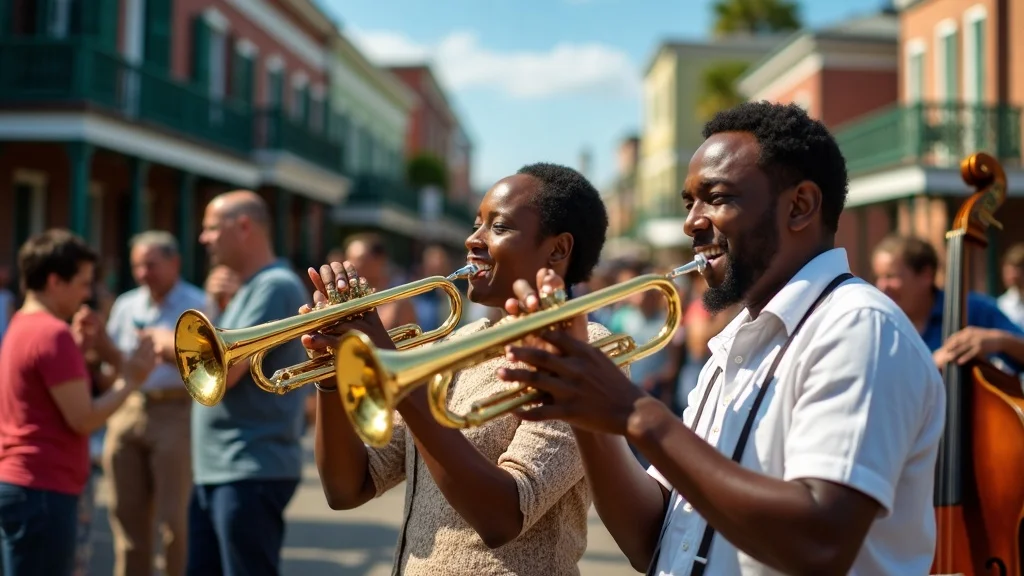
Lively jazz street performance in New Orleans—musicians playing brass instruments, smiling, and energetic crowd; vibrant Creole townhouses in the background, reflecting New Orleans jazz culture

Neighborhood Hotspots for New Orleans Jazz Culture

  • Frenchmen Street: Live brass bands and impromptu dancing

  • Treme: Historic roots of jazz and community music

  • Marigny: Eclectic venues and street performances

"Music here isn't about the stage, it’s about living through song. On any given day, you’ll find the soundtrack of New Orleans in unexpected places, sung by the city itself. "

Embracing Both Celebration and Grief: New Orleans Rites and Rituals

One of the most striking aspects of New Orleans culture is the city’s ability to embrace both joy and sorrow, often in the same breath. In many places, grief is private and celebration public; here, the border between the two is nearly invisible. The second line parade, a tradition rooted in the ancestry of free people of color and Native American influences, weaves elements of a funeral march with a jubilant table of rhythms and movement. Neighbors, dancers, and brass bands wind through streets, celebrating loved ones lost and the life they lived, all within the same communal space. Instead of separating happiness from hardship, New Orleans creates rituals that allow everyone, from passersby to close friends, to participate in healing and remembrance. This visible openness to emotion, whether during a Mardi Gras parade or a solemn second line, fosters a sense of community resilience that visitors remember long after they leave. In New Orleans, expressing emotion in public is not only accepted; it’s considered necessary for healing, for moving forward, and for maintaining the city’s soulful heartbeat.

The Significance of New Orleans Second Lines

  • Second lines unite neighborhoods in shared emotional expression

  • Dancers, musicians, and bystanders become participants in communal healing and celebration

  • Traditions date back to free people of color and Native American influences
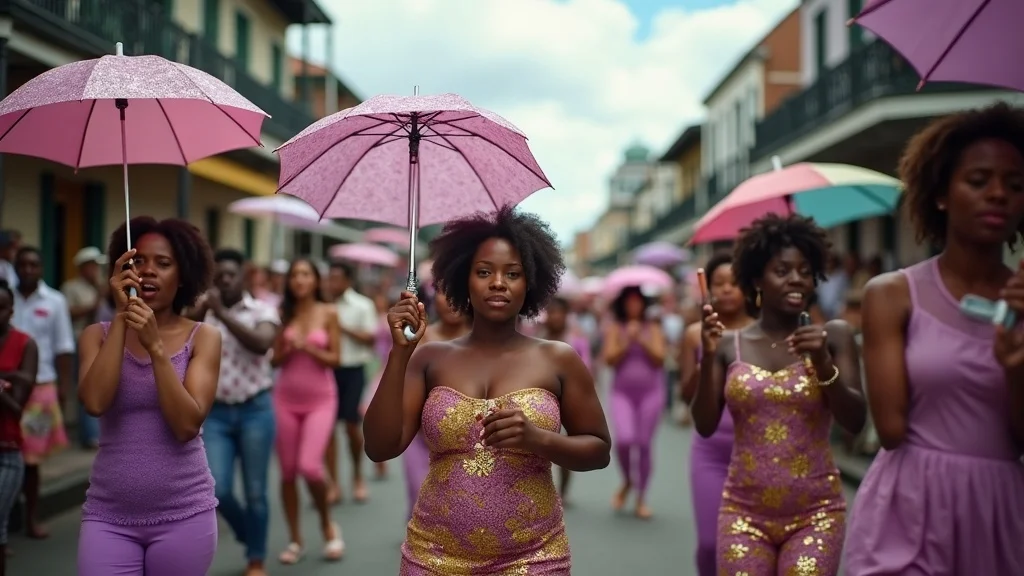
Emotional second line parade in New Orleans: people dancing with decorated umbrellas, led by expressive brass band, colorful costumes, and hopeful faces, demonstrating joy and grief together in New Orleans culture

Storytelling as a Living Thread in New Orleans Culture

In New Orleans, stories flow as freely as music. You’ll see it in casual conversations at the French Market, hear it from musicians reflecting on spiritual roots, or taste it in family recipes passed down at neighborhood kitchens. New Orleans storytelling isn’t just performance, it’s a way of preserving collective memory and keeping neighborhood identity alive. Whether you’re chatting with a bartender who recounts the city’s changes through hurricanes, or listening to elders talk about neighborhood legends, you’ll quickly realize people connect everyday moments to local memory. These exchanges aren’t reserved for tour guides or historians. Instead, stories rise naturally in conversation, infusing daily life with layers of meaning. In this sense, the city’s emotional atmosphere is kept vibrant by countless storytellers, each adding to the cultural tapestry, and helping newcomers and visitors feel at home. Here, storytelling is not merely entertainment; it’s a daily ritual, a community bond, and one of the most powerful avenues for emotional expression in New Orleans culture.

Examples of New Orleans Storytelling Traditions

  • Sharing family recipes and origins with new friends

  • Discussing neighborhood changes and legendary local figures

  • Musicians reflecting on spiritual roots and collective memory

Daily Rituals in New Orleans Culture: More Than Just Tradition

In New Orleans, rituals are not limited to annual festivals or big events, they show up everywhere, shaping the rhythm of everyday life. Traditions like gathering on Mardi Gras day, marching in communal parades, or sharing family food recipes are acts that connect generations and neighborhoods. Every Sunday, families gather over pots of gumbo or plates of red beans and rice, a practice as emotional as any celebration, uniting relatives and neighbors across ages. Even Saints football Sundays have become their own ritual, filled with anticipation, shared meals, and neighborhood camaraderie. These daily rituals foster belonging, offering comfort, joy, and continuity. They are not simply performed for visitors or out of obligation. Instead, each is an opportunity for reflection, reconnection, and emotional grounding. In effect, these traditions help make the emotional landscape of New Orleans both enduring and deeply personal.

Table: Iconic Rituals and Their Impact on New Orleans Community Traditions

Ritual

Origin/Influence

Emotional Impact

Mardi Gras Parade

French, Spanish, Creole

Communal celebration, family unity

Second Line

African, free people of color

Blending joy with remembrance

Family Food Gatherings

Multi-ethnic lineage

Passing down memory, neighborhood belonging

Saints Sundays

Local sports/fandom

Shared anticipation, post-game rituals

Food as Memory: Emotional Layers of New Orleans Cuisine

Food isn’t just nourishment in New Orleans, it’s memory in every bite. Meals here tell stories of migration, resilience, and togetherness. Sit at a long family table in Lakeview or Treme, and you’ll observe gumbo being stirred with recipes that go back generations. Dishes like red beans and rice or po’boys are about more than taste, they're a means of passing down family lore and neighborhood traditions. You might hear tales of distant relatives, legendary cooks, or old neighborhood block parties, all while sharing hearty plates. Even citywide gatherings, like the street festivals or block crawfish boils, are less about feeding crowds and more about building emotional connection. Each meal is a time to remember loved ones, welcome newcomers, and reinforce the ties that hold neighborhoods together. In this way, New Orleans cuisine becomes much more than food; it becomes a recipe for connection, a living, flavorful part of the city’s unforgettable emotional atmosphere.
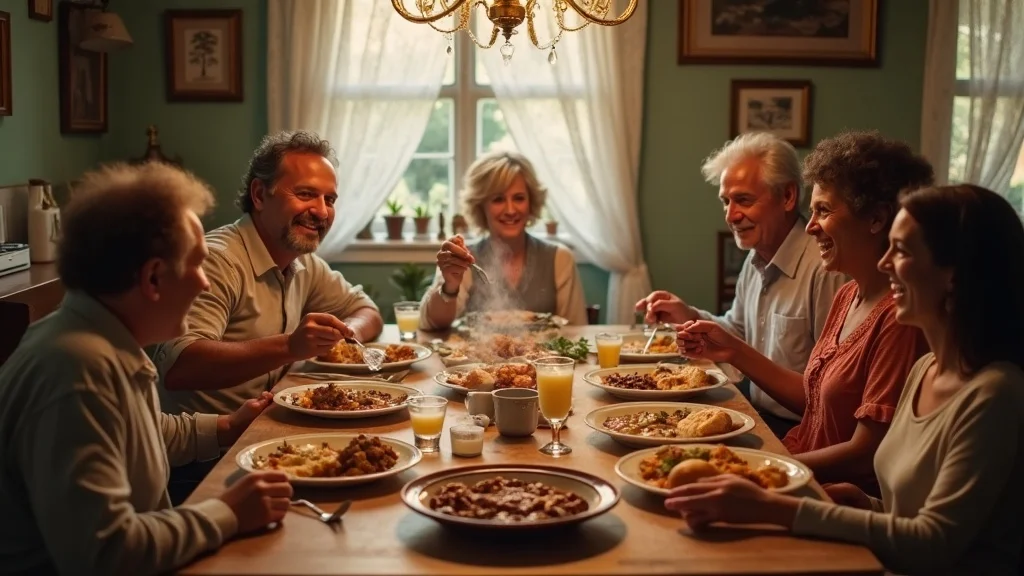
Warm New Orleans family meal with people of different ages sharing gumbo and po’boys in a cozy vintage kitchen; food, sunlight, and relaxed, happy faces—showing the emotional connection of New Orleans culture through cuisine

"In New Orleans, you don’t just eat, you remember. Every dish is a recipe for connection, a story passed from one table to the next. "

Neighborhood Identity: The Personal Geography of New Orleans Culture

Every neighborhood in New Orleans brings its own emotional character and sense of belonging. Walk through the French Quarter, and you’ll be greeted by the pulsing rhythms of history, decadence, music, and celebration barely separated from everyday errands. In Marigny, creativity flourishes, and the glow of live music spills from doorways onto painted sidewalks. Bywater is known for its quirky, fiercely independent spirit, where murals and art spaces animate its streets. The Garden District whispers stories of long-standing families, grand homes, and leafy calm, while Treme holds deep reverence for musical roots and African American culture. Residents often identify as much by their neighborhood as by their city, showing how neighborhood traditions and pride nurture a deep sense of connection. In New Orleans, the question, “Where you from?” is more about street and side of town than state or region. Each pocket of the city contributes a unique cadence, a patchwork of local traditions, celebration, and memory that keeps emotional ties strong and personal.

  • French Quarter: Historic music and celebration

  • Marigny: Creative community and nightlife

  • Bywater: Artistic, unconventional spirit

  • Garden District: Grace, architecture, old-family roots

  • Treme: Reverence for music and African American heritage
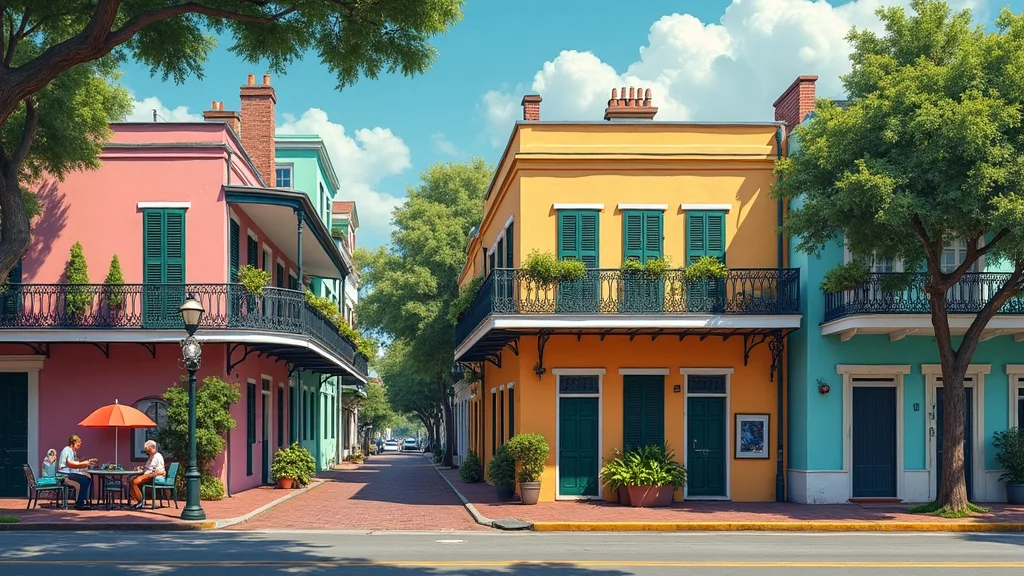
Collage of diverse New Orleans neighborhoods: French Quarter street scene, Marigny artists, Treme musicians, Garden District mansions; expressing the local identities within New Orleans culture

Human Connection: The Soul of New Orleans Culture

Ask anyone why they remember their New Orleans visit or why locals never seem to leave, and it often comes down to human connection. In New Orleans, hospitality is more than a smile or a polite greeting; it’s an invitation to linger, to talk, and to share. Neighborhood bars and sidewalk cafes act as meeting grounds where locals and visitors exchange stories, sometimes with strangers, sometimes with lifelong friends. The pace of conversation is unhurried, and even casual encounters turn into opportunities for meaningful connection. There’s a tradition here of welcoming newcomers into local customs, whether it’s the first taste of a family gumbo or getting pulled into a neighborhood second line. Unlike transactional cities, where interactions feel rushed or impersonal, New Orleans prioritizes relationship-building, turning everyday meetings into lasting memories. This underlying sense of community is what many visitors describe as the “soul” of the city, an emotional openness that is both rare and deeply rooted in New Orleans local culture.

Ways New Orleans Encourages Emotional Connections

  • Neighborhood bars as meeting points

  • Story exchanges with strangers

  • Welcoming newcomers into local traditions

History as a Living Presence in New Orleans Culture

Walking through New Orleans, it’s impossible to ignore the weight and texture of history. But here, history doesn’t just reside in museums or archives; it’s alive in everyday rituals and visible in the architecture, wrought-iron balconies, pastel Creole cottages, and centuries-old churches. The city’s past also echoes through music, storied family businesses, and the rhythm of seasonal traditions that continue across generations. Residents encounter history not as a distant backdrop, but as a part of their daily surroundings, sometimes literally “bumping into” it on the walk to get coffee. After events like Hurricane Katrina, this bond with history only grew deeper, inspiring new traditions that blend remembrance with resilience. As a result, the emotional atmosphere of New Orleans is not simply layered with nostalgia, but feels active, curious, and perpetually shaped by its people. In New Orleans, stories and customs are always within reach—making the city’s culture unforgettable and ever-present.
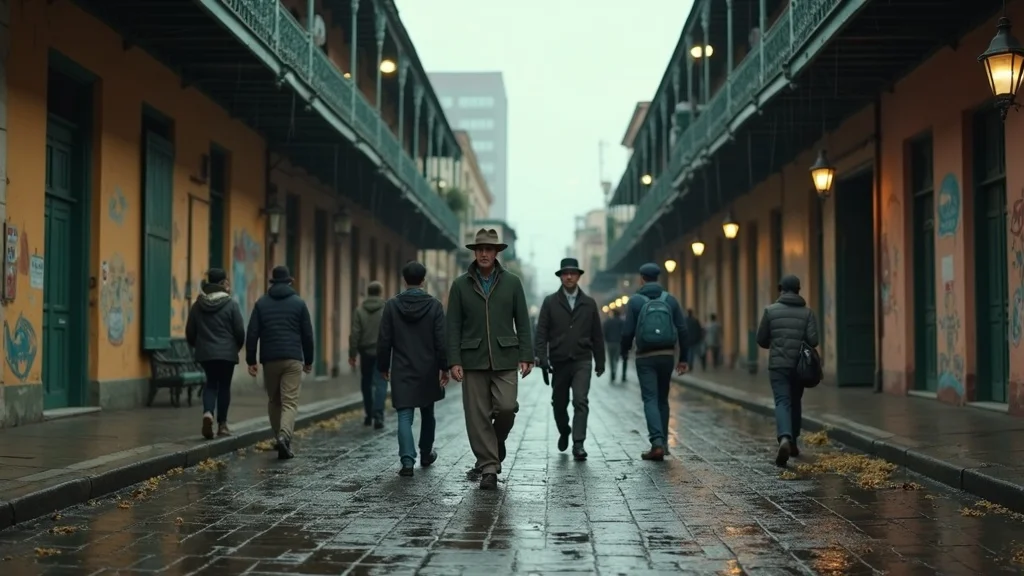
Contemplative locals wandering past century-old buildings in New Orleans—nostalgia, wet cobblestone streets, faded murals, and Mardi Gras beads—showing how history is present in daily culture

"Here, the past isn’t something you read about, it’s something you bump into on the way to get coffee, or hear in the notes of a brass band passing by. "

What is New Orleans known for culturally?

New Orleans is celebrated for its distinctive culture, which blends French, Spanish, African, and Native American influences through music, food, festivals, and traditions. Highlights include Mardi Gras, jazz, Creole and Cajun cuisine, vibrant neighborhoods like the French Quarter, and signature events such as second lines and heritage festivals. It’s a city where emotional expression is part of daily life, making experiences uniquely memorable.

What are 5 facts about New Orleans?

  1. Birthplace of Jazz: New Orleans jazz originated here, influencing music worldwide.

  2. Mardi Gras: The city is famous for its vibrant parades and Carnival season celebrations.

  3. Cultural Diversity: Influences from French, Spanish, African, and Native American traditions shape daily life.

  4. Historic Neighborhoods: Districts like the Vieux Carré (French Quarter), Treme, and Garden District are rich in tradition and architecture.

  5. Food Scene: Signature dishes like gumbo, po'boys, and red beans and rice carry generations of family history and cultural blending.

Why is voodoo so big in New Orleans?

Voodoo in New Orleans took shape from a blend of West African spiritual traditions, Catholic influences, and Caribbean practices, brought by enslaved Africans and free people of color during the colonial period. Its history here is interwoven with local customs, spiritual resilience, and community rituals, making it more than myth or tourist attraction. Voodoo’s presence helps explain the city’s rich spiritual tapestry and willingness to embrace mystery, memory, and collective healing.

Where to avoid staying in New Orleans?

While most neighborhoods are welcoming, some areas may pose safety concerns, especially after dark. Parts of Central City, sections of the Seventh and Ninth Wards, and some areas far from tourist hubs may have higher crime rates. Always consult local guides and practice general precautions, especially if unfamiliar with the city layout. Most popular neighborhoods, such as the French Quarter, Marigny, and Garden District, are generally lively and welcoming for visitors.

Frequently Asked Questions About New Orleans Culture

  • How do neighborhood identities influence emotional expression in New Orleans culture?
    In New Orleans, neighborhoods each have their own traditions, music, and stories, creating strong local bonds. Residents express pride through celebration, storytelling, and unique customs that anchor emotional connection to their neighborhood and city.

  • Why are food and ritual so entwined in local traditions?
    Food in New Orleans is about more than taste, meals like gumbo or red beans and rice are woven into rituals of remembrance, hospitality, and celebration, making every gathering a chance to pass down shared memories and deepen community ties.

  • What role do music and storytelling play in New Orleans community traditions?
    Music and storytelling are both daily acts of memory and connection. Street musicians, parades, and neighborly conversations keep community history alive, ensuring that joy, grief, and neighborhood pride are always out in the open.

  • How did hurricane Katrina affect local customs and memory?
    Hurricane Katrina left a permanent mark on the city, inspiring more visible rituals of remembrance and resilience. Traditions have adapted to include honoring loss, sharing stories of survival, and celebrating recovery, a sign of the city’s unwavering spirit.

  • Why does the city feel so open to both joy and sorrow?
    The emotional openness of New Orleans comes from traditions that welcome both grief and celebration as part of daily life. Second lines, shared meals, and open conversations invite everyone to take part in moments of happiness and healing together.

Key Insights: What Makes the Emotional Atmosphere of New Orleans Culture Unique

  • Emotional expression is visible, not hidden, in everyday rituals.

  • Community traditions foster a sense of belonging and continuity.

  • Storytelling and music serve as daily acts of memory and identity.

  • Food, festivals, and neighborhoods blend generational heritage with present-day connection.

Bringing It All Together: The Emotional Resonance of New Orleans Culture

New Orleans culture feels more emotional than most cities because its music, storytelling, rituals, food, and neighborhood traditions aren’t just for show, they’re daily realities. In New Orleans, emotions aren’t hidden or rushed but held in the open, making every day a chance for connection, memory, and meaning that stays with you long after you leave.

If you enjoyed this story, why not stay connected? Join New Orleans Local Unplugged on Facebook and YouTube for exclusive local information. @neworleanslocalunplugged

New Orleans Culture

0 Comments

Write A Comment

*
*
Please complete the captcha to submit your comment.
Related Posts All Posts
06.11.2026

Why 'I Love Boosters' Is Essential Viewing for New Orleans Movie Lovers

Update Unpacking the Revolution: The Bold Narrative of 'I Love Boosters' Boots Riley’s latest cinematic venture, I Love Boosters, transcends the traditional bounds of storytelling, intertwining laughter with poignant commentary on class and culture. Set against a vibrant backdrop, this street-level science fiction film centers on a fierce group of ‘boosters’ who navigate the murky waters of fashion theft, all while challenging societal norms and expectations. A Reflective Critique of Modern Consumerism In an era dominated by glossy, blockbuster films designed to captivate rather than provoke, I Love Boosters emerges like a fresh breeze through a stuffy room. It dares to critique the very system of commercialism that binds us. Riley’s work is a playful manifesto wrapped in thrilling heist scenarios, reminding us that creative expression can and should reflect the discontent of the masses. By presenting characters who challenge oppressive capitalist structures, this film resonates with viewers longing for authenticity beyond mere escapism. The Velvet Gang: Architects of Their Own Destiny At the heart of the story are the members of The Velvet Gang, led by the ambitious Corvette, played by Keke Palmer. As they dive deep into a quest to reclaim their artistic integrity while navigating their precarious reality, their journey transforms from petty thievery to a mission of liberation. Riley brilliantly intertwines elements of action and humor, a testament to his ability to provide entertainment that is relatable yet thought-provoking. Connections to New Orleans and Beyond This film’s themes resonate deeply within the New Orleans community, a city rich with artistry and resilience. With its fusion of creativity and rebellion, it revitalizes discussions about local culture, style, and the quest for identity in the face of commercial homogenization. As New Orleans residents and culture seekers immerse themselves in this cinematic experience, they will find parallels that relate back to their own narratives and struggles—a reminder of the city’s vibrant cultural tapestry and the continuous fight against systemic injustices. Why You Should See 'I Love Boosters' For those who have felt the weight of societal pressures or who seek to banish the mundane through art, this film serves as both a mirror and a window. It reflects the frustrations many experience while also opening up paths for dialogue about creativity and rebellion. As much as it entertains, I Love Boosters pushes boundaries, inviting viewers to not just watch but to engage, question, and act. This is precisely the kind of cinematic experience that addresses pressing issues while still providing an exhilarating adventure. If you have enjoyed this story, why not stay connected? Join New Orleans Local Unplugged on Facebook and YouTube for exclusive local information. @neworleanslocalunplugged

06.05.2026

New Orleans Magazine’s Creative Director Earns National Acclaim: A Celebration of Local Talent

Update Celebrating Local Talent in New Orleans New Orleans Magazine has struck a chord of excitement within the local community after its Creative Director recently won significant accolades at a national conference. This achievement not only showcases the creativity housed within Crescent City’s vibrant magazine scene but also reflects the growing recognition of local publications on broader platforms. At a time when media can feel oversaturated and competition is fierce, such commendations are cause for celebration. Understanding the Impact of Local Magazines In a city like New Orleans, local magazines play an essential role in connecting communities to culture, events, and culinary innovations. The recent award ceremony highlighted the capability of local talent to shine in a landscape dominated by major national players. The Creative Director's award was for design and editorial excellence, both of which are fundamental in captivating the diverse range of audiences in New Orleans. History of Recognition for New Orleans Publications This latest honor follows a legacy of commendations for the New Orleans Magazine, which has consistently earned accolades for its design quality and impactful stories. From winning gold at the 2025 Press Club Awards for “Best Design” to being recognized in various categories reflecting excellence in writing and digital content, the magazine continues to establish itself as a leader in showcasing Crescent City culture. Such achievements underline how local publications not only inform but also inspire creative dialogue among residents. Why Local Awards Matter Awards like these serve a dual purpose: they recognize exceptional work and inspire future projects by proving that local talent is viable and worthy of national recognition. For potential writers, designers, and artists in New Orleans, these acknowledgments can ignite aspirations, providing tangible proof that hard work pays off. This phenomenon, in turn, fosters a more engaged community curious about its artistic and cultural offerings. Connecting Through Creativity The heart of New Orleans pulses with artistic expression, from music and design to cuisine. Celebrating a local Creative Director’s achievement invites residents to not only reflect on the city’s rich history of arts and culture but also to engage more deeply with what's being created right here. Each article, design, and cocktail craft tells a part of the story that makes our community unique. Join the Celebration If you enjoyed reading about this remarkable accomplishment, consider immersing yourself in the local culture further. Stay connected with New Orleans Local Unplugged on Facebook and YouTube to receive the latest insights and updates about Crescent City’s vibrant community. Your engagement helps ensure that New Orleans continues to thrive as a hub for creativity and connection.

05.31.2026

How New Orleans Balances Tourism and Local Culture

On Royal Street, the brassy swirl of a live band blurs with footsteps from every direction, tourists gathering wide-eyed, locals weaving through, heading to their favorite corner bar or regular family gathering. This vivid mingling isn’t just a happenstance of New Orleans living. It’s an ongoing dance, where New Orleans local culture pulses openly alongside the curiosity of visitors. Culture here isn’t crafted for outsiders. It exists because every day, city residents bring it to life, unfolding rituals, iconic foods, and joyful sounds in a communal rhythm that tourists may glimpse, but locals inhabit.A Living Tapestry: Observing the Dance Between Visitors and New Orleans Local CultureA brass band’s notes entwine with footsteps on Royal Street, as tourists pause to marvel but locals stride past, headed for ritual neighborhood gatherings. New Orleans local culture exists in vibrant tension, both spectacle and daily lifeblood, set on a stage, yet undeniably intimate for those who live it every day. This subtle push and pull creates a layered identity: to some, the city is a collection of dazzling sensations, jazz echoing from corner clubs, beads glinting overhead, the aromas of fresh crawfish or powdered beignets. But to locals, these aren’t just attractions or staged entertainment; they’re the foundational moments that shape neighborhoods, families, and friendships. The spectacle of a second-line parade on a sunny afternoon, for instance, isn’t just for show. It’s also a deeply personal narrative, a celebration, a memorial, a community rally, which plays out in rhythm with both familiar faces and passing visitors. What might look like performance from a distance is, up close, a testament to a city where daily life and cultural tradition are woven, intertwined, and constantly evolving in the open air.What You'll Learn About New Orleans Local Culture and TourismHow tourism and New Orleans local culture are deeply intertwinedThe difference between consuming and living local traditionsWhy neighborhood identity shapes every New Orleans experienceHow music and food cultures stay rooted in communityWhy hospitality and authenticity matter now more than everTourism and New Orleans Local Culture: Intertwined HistoriesTourism is both an economic engine and an extension of New Orleans local culture. Millions of visitors come each year, lured by iconic festivals, historic neighborhoods like the French Quarter, and the magnetic pull of live music, traditions that predate the city's major tourism booms. From Mardi Gras to the rhythms of Royal Street, these celebrations adapt and shift with time, expanding to welcome newcomers yet fiercely protective of their local roots. This delicate equilibrium, where city park picnics unfold beside festival crowds, or jazz clubs serve both regulars and wide-eyed first timers, reveals a city constantly balancing exposure with preservation."Visitors come for Mardi Gras and stay for the spirit of the city because culture here is not a performance, it’s a way of life." – Local musicianExperiencing vs. Consuming New Orleans Local Culture: A Neighborhood PerspectiveIn New Orleans, culture is immersive, not merely observed, but lived. Walk into any neighborhood, Bywater, Treme, Marigny, Uptown, and you’ll see communal rituals unfolding just out of reach of formal tourism: neighbors catching up at a corner store, families hosting seafood boils, impromptu second-line parades turning a regular Tuesday electric. These experiences aren’t advertised in visitor brochures or on glossy travel sites. Yet they are the heartbeat of New Orleans local culture. Where tourists may seek the iconic, snapshots of jazz funerals on Royal Street or a table at a famous beignet café, locals find meaning in participation. Whether it’s spending a lazy Sunday at the neighborhood jazz club or greeting friends at a favored grocery, for residents, culture isn't consumed, it’s created and shared daily.Weekly music sessions at neighborhood venuesCommunity rituals from Mardi Gras Indian gatherings to Sunday BBQsThe sights and sounds along vibrant Royal StreetWhy Neighborhood Identity Powers New Orleans Local CultureNo two New Orleans neighborhoods pulse with quite the same energy. Strolling from the crowded French Quarter to leafy Bywater or farther uptown, the entire atmosphere shifts: accents morph, street music softens, corner stores and local dive bars become gathering places rather than tourist pit stops. This diversity is the reason New Orleans local culture feels so vivid and resilient. Neighborhood pride isn’t about drawing boundaries, it’s about nurturing the unique ways communities mark time, celebrate, and cope. Dialects and rituals may differ, but so does the manner in which local music spills onto the street or food culture anchors a block.Whether you’re in Treme, where African American heritage powers the sound of brass bands, or in Uptown beneath sweeping oaks, these micro-cultures preserve authenticity even as the city’s fame grows. Neighborhood bars tucked behind quiet facades, annual crawfish boils, porch conversations, and family-run shops, all shape an evolving, lived identity distinct from the more performative traditions seen by most visitors. Neighborhoods are wellsprings of genuine hospitality, vital for both the city’s soul and its survival.French Quarter: Tradition Meets TourismThe French Quarter stands as New Orleans’ most iconic intersection of local pride and visitor fascination. Vieux Carré architecture, winding alleys, and legendary spots like Bourbon Street create a cinematic allure, drawing visitors from across the United States and beyond. But within this tourist magnet, real community life thrives: quiet courtyards shield family gatherings from the street’s cacophony, old groceries supply daily needs, and locals frequent jazz clubs that have been open for decades. Evenings in the Quarter aren’t just for spectacle. They are as much about the Thursday night regulars at a neighborhood bar as they are about revelers taking in their first live jazz funeral or tasting Creole cuisine for the first time.Treme, Marigny, and the Power of PlaceTreme, a cornerstone of African American cultural history, radiates pride through its Mardi Gras Indian traditions, the spirits of street musicians, and the energy of impromptu brass band parades. Neighboring Marigny adds its own imprint, with Frenchmen Street’s living soundscape and neighborhood venues fostering relationships that span generations. Life in these districts is a vibrant assertion of heritage, artistic expression, and community. Here, New Orleans local culture isn’t a brand for outsiders, but an inheritance. The energy of second lines, the artistry of costumes, the rhythm of backyard parties, all ground locals in stories and rituals carried forward, connecting generations and newcomers alike.Table: Distinctive Neighborhoods and Local ExperiencesNeighborhoodKnown ForFrench QuarterHistoric architecture, nightlife, jazz funeralsBywaterArts culture, laid-back vibe, local cafesTremeAfrican American roots, Mardi Gras Indian, brass bandsUptownLive oaks, streetcar, community barsThe French Quarter: Where Preservation and New Orleans Local Culture ConvergeFrom the revelry of Bourbon Street to the hushed beauty of St. Louis Cathedral, the French Quarter’s ongoing vitality is the result of constant reinvention. As one of America’s oldest neighborhoods, this district contends with crowd pressures, festival goers during Carnival Season, tourists exploring Jackson Square at dawn, and street vendors adapting to a changing clientele. Ongoing preservation efforts, led by both locals and city organizations, aim to safeguard what makes the Quarter special: a place where parents raise children in 200-year-old houses, markets serve regulars before tourists arrive, and the sound of local music spills into alleyways. True sustainability in the French Quarter means championing its role as a living neighborhood, not just a set piece, so both residents and visitors can share in its unique cultural gifts.Music: The Anchoring Spirit of New Orleans Local CultureIn New Orleans, music isn’t just a backdrop, it’s the binding thread. Join a secondline in the Marigny, attend a jazz club gathering in the French Quarter, or watch a brass band wend its way through Treme, and you’ll witness immersion; participation is expected, not just observation. The city’s music forms, from jazz funerals to impromptu street performances, remind everyone that New Orleans local culture is alive. Each performance is more than entertainment; it’s an act of community, a call for listeners to join in. Neighborhood venues on Frenchmen Street, street musicians near Louis Cathedral, and secret jazz sets in hidden bars all maintain a living heritage that binds residents to each other and connects visitors to something unfiltered and real."You can’t separate the music from the streets or the people. That’s what makes New Orleans local culture alive." – Marigny club ownerNew Orleans Food Culture: Beyond Destination DiningWhile travelers may queue up for café au lait and powdered beignets, devoted locals embrace a much more deeply-rooted culinary heritage. Cajun and Creole cooking, the pride of New Orleans food culture, finds its truest expression at neighborhood seafood boils, red beans slowly simmered in family kitchens on Mondays, and loyal regulars crowding into small restaurants that rarely make “top 10” lists. Weekly rituals, a plate of gumbo at a corner bar, a po’boy sandwich after a show on Frenchmen Street, forge community ties and pass recipes down generations. The city’s legendary food scene draws international acclaim, but its soul remains local, anchored in rituals that transform food from a commodity into an act of belonging.Family recipes shared over generationsNeighborhood restaurants with loyal regularsSeasonal traditions (crawfish boils, king cakes during Mardi Gras)Hospitality and Identity: Welcoming Without Losing SelfTrue hospitality in New Orleans is about invitation, not imitation. Locals take pride in showing new faces the rhythms of their block or the heart behind their customs, but that pride means the essence of New Orleans local culture is never diluted, it’s reinforced. Community festivals, jazz club introductions by longtime musicians, or sharing a plate of crawfish aren’t tricks for tourists; they’re longstanding traditions into which guests are briefly invited. This culture survives not by closing doors, but by blending old and new in ways that feel genuine, offering seats at the table, while never ceding the table itself.Why These Conversations Around New Orleans Local Culture Matter NowToday, the balance between visitors and residents is more complex than ever. Social media influences where people go, creating viral moments on Royal Street or packed French Quarter bars, while neighborhood businesses adjust to waves of both locals and newcomers. New hotspots in Bywater, or longtime staples in the Garden District, wrestle with both opportunity and uncertainty as changing dining, nightlife, and housing patterns play out in real time. Conversation among city residents, from musicians to small business owners to parents, focuses not just on who profits, but who belongs, who stays, and how the tapestry of New Orleans local culture will ultimately evolve. Festivals bring both congestion and celebration. Weekdays still bring relief and rejuvenation. The conversation is ongoing, and so is the city’s transformation.The impact of social media on visitor behaviorHow new businesses affect neighborhood identityShifting nightlife patterns across neighborhoodsPeople Also Ask: Key Questions About New Orleans Local CultureWhat is the main culture in New Orleans?The main culture in New Orleans is a fluid blend of African American, Creole, French, Spanish, and Caribbean influences, expressed in music, food, parades, and community ritual. More than a singular tradition, New Orleans local culture is defined by its continuous adaptation and lived community experiences.Do and don'ts in New Orleans?Do embrace local customs, join second lines, try new foods, and support local businesses. Don’t treat cultural traditions as mere performances, or ignore neighborhood etiquette. Respecting the lived reality of New Orleans local culture deepens every experience.What are 5 examples of cultural traditions?Examples of rich cultural traditions in New Orleans include jazz funerals, Mardi Gras and Mardi Gras Indian gatherings, brass band second lines, neighborhood crawfish boils, and the creation of altars for St. Joseph’s Day.Where to avoid staying in New Orleans?Though most neighborhoods offer a warm welcome, some outlying or industrial areas feel disconnected from local culture and amenities. Staying close to established neighborhoods like the French Quarter, Marigny, Bywater, or Uptown best immerses visitors in authentic New Orleans local culture.Lists: Ways to Experience New Orleans Local Culture AuthenticallyJoin a neighborhood second line paradeAttend a show at a local jazz clubExplore beyond the French Quarter: Bywater, Treme, UptownDine at family-owned, community restaurantsVisit a cultural museum that reflects the city’s rootsParticipate in a Mardi Gras Indian gatheringVideo Highlight: Locals and Tourists Intersecting on Royal StreetExperience the dynamic energy of Royal Street, where brass bands, street artists, and a blend of excitement and routine bring the soul of New Orleans local culture into dazzling relief. Watch real-life interactions unfold in a symphony of music, laughter, and daily neighborhood currents.Video Feature: Mardi Gras Indian Culture in Modern New OrleansDiscover how Mardi Gras Indian history continues to shape African American tradition and New Orleans local culture today. Preview a documentary that explores the significance and resilience of these vibrant rituals within the city’s living heritage.FAQs on New Orleans Local CultureHow does New Orleans protect its culture from over-tourism?Where do locals gather to celebrate music and food?What role do African American neighborhoods play in the cultural landscape?How do festivals like Mardi Gras impact daily life?Key Takeaways: The Resilience of New Orleans Local CultureNew Orleans local culture is a lived, daily reality shaped by neighborhoods and communitiesTourism and culture are not in competition, but in constant dialogueMusic, food, traditions, and hospitality all play pivotal roles in sustaining authenticityNeighborhoods remain guardians of the city’s emotional and cultural heartbeatTo Stay Connected with New Orleans Local CultureIf you enjoyed this story, why not stay connected? Join New Orleans Local Unplugged on Facebook and YouTube for exclusive local information. @neworleanslocalunplugged

Terms of Service

Privacy Policy

Core Modal Title

Sorry, no results found

You Might Find These Articles Interesting

T
Please Check Your Email
We Will Be Following Up Shortly
*
*
*